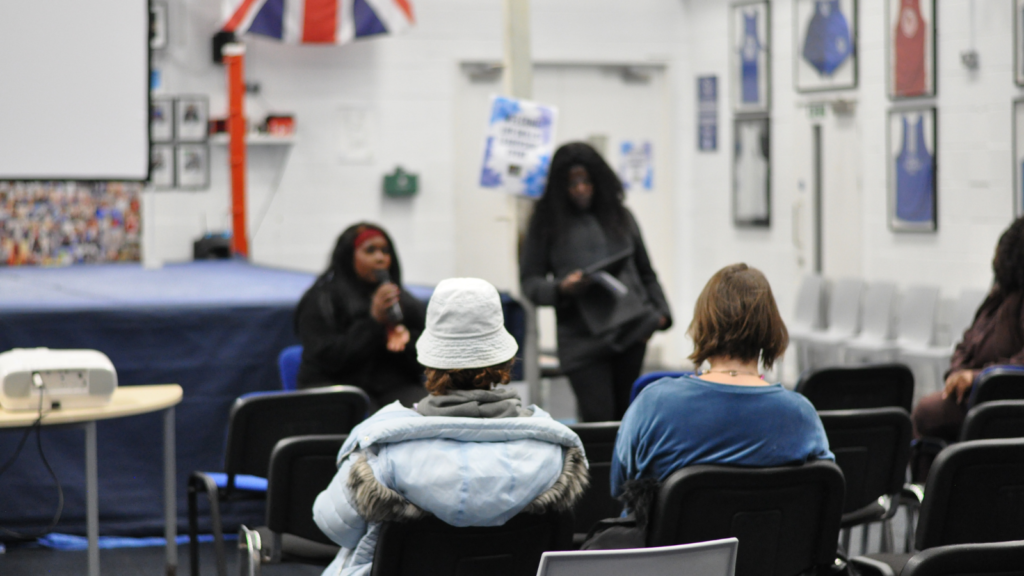
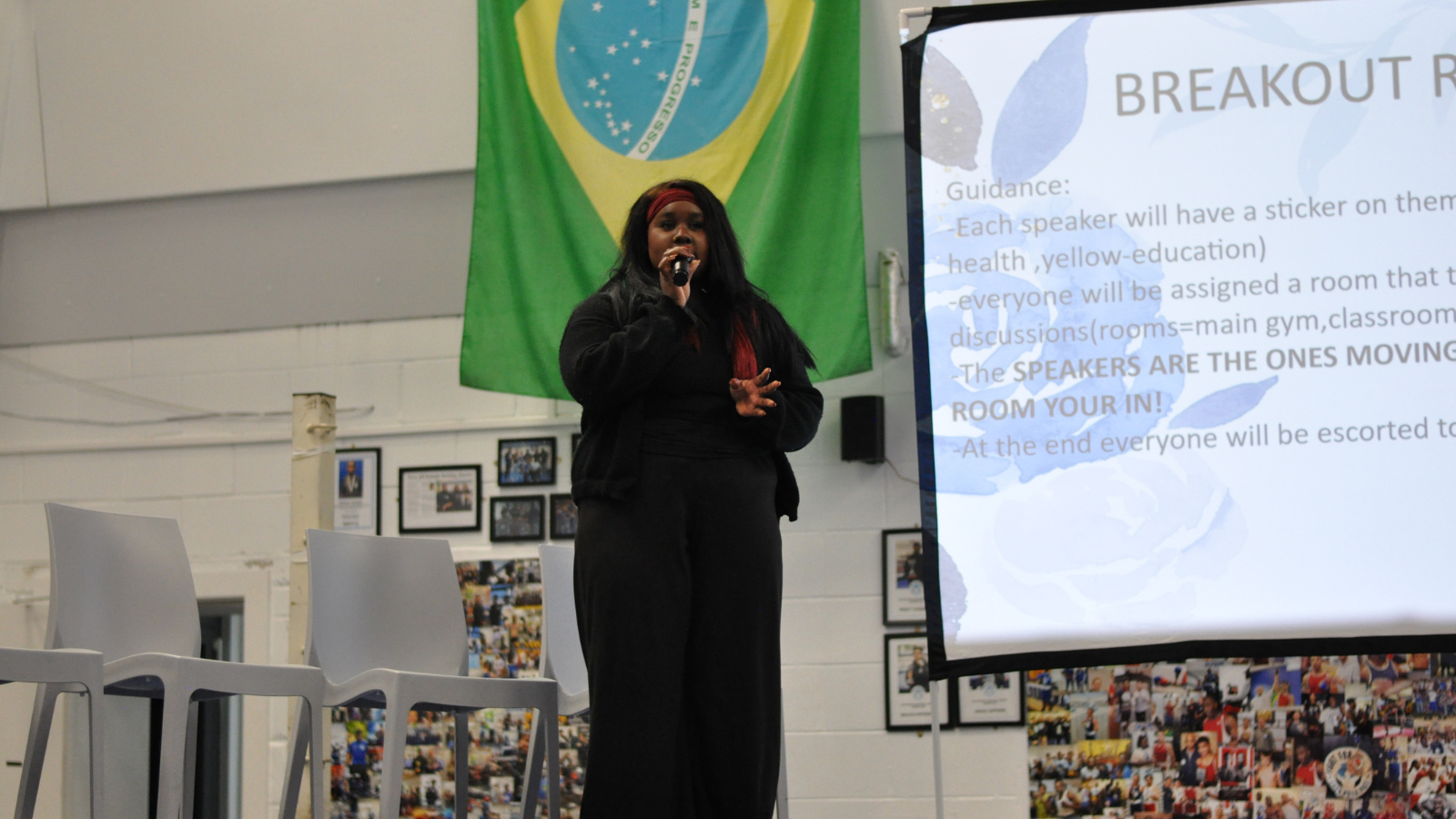
“It all started to calm down after I got my hand on the mic,” words from Future Light member Samin Azad echo how stepping onto a stage can be nervous work for anyone, but speaking in front of representatives of the police force, local leaders, national organisations and grassroots clubs is an entirely different league – especially when you’re under the age of 20. This is exactly what nine members of the youth leadership group Future Light achieved last week, as they spoke truth to power in an event that triggered a new era of youth-led change.
Last Thursday, the boxing ring at the Fight for Peace Academy in North Woolwich took down its ropes and became a stage for an event that was honest, authentic and undeniably timely. Future Light, the proud producers, and confident deliverers behind the event are a youth leadership group that sit at the heart of the Newham Youth Partnership – a powerful network of organisations from across the borough, united in their mission to support children, young people, and families in Newham.
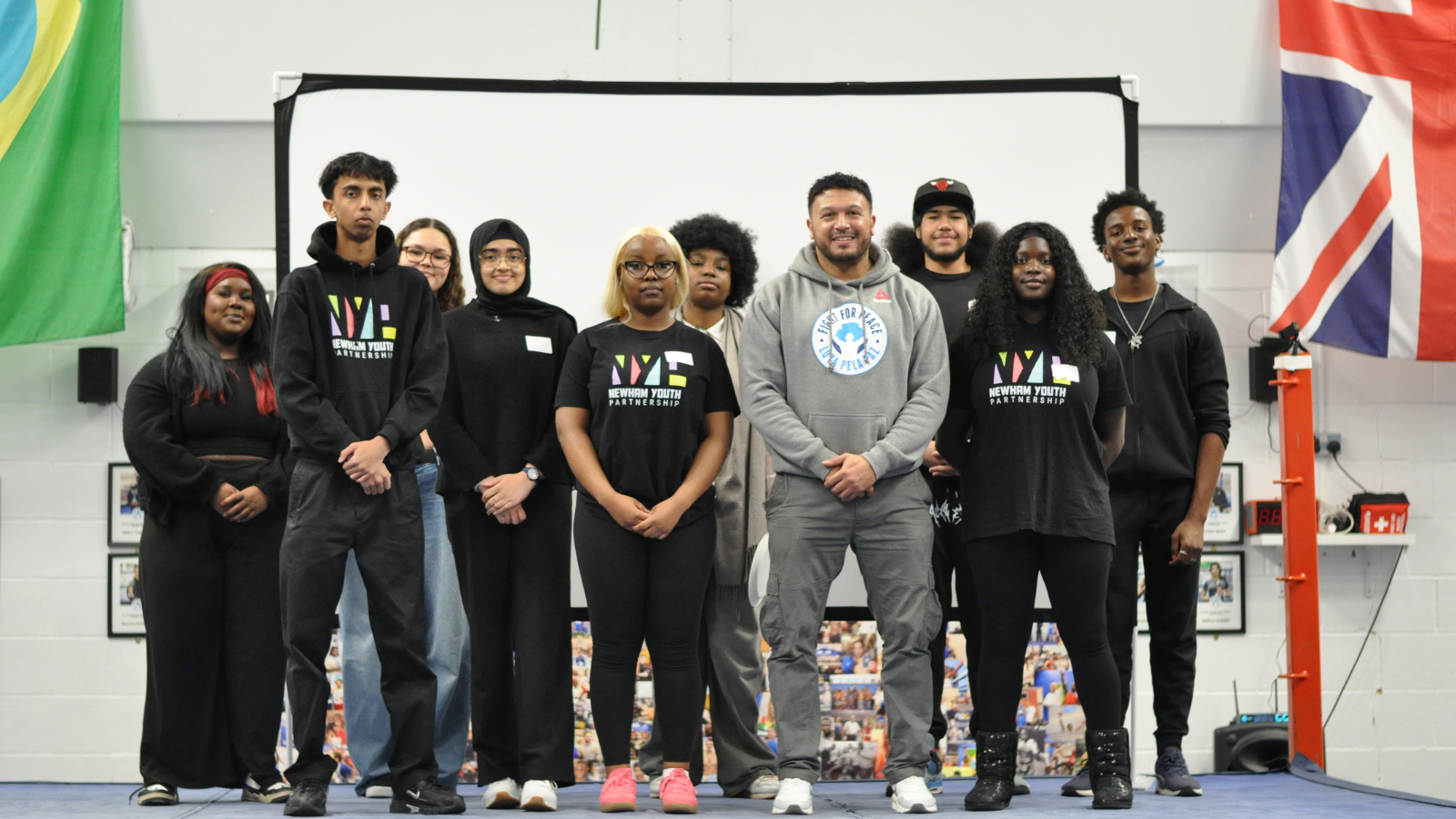
Future Light plays a vital role in amplifying the voices of their peers, representing young people at key meetings and events while developing their own leadership skills along the way. They ensure that real community change is shaped by the people who live it and know it best, and this event was the absolute epitome of that.
Presenting to an audience of over 70 individuals, discussions on crime, education, and mental health were led with young people at the helm, anchoring these conversations in youth perspective and experience.
Future Light member Lavantea who presented on the topic of education and co-hosted the evening reflected optimistically on the discussions: “[There were] suggestions around creating more consistent safe spaces for young people to express themselves, as well as improving communication between community members and local authorities. These felt achievable and rooted in real needs, which made them especially meaningful.”
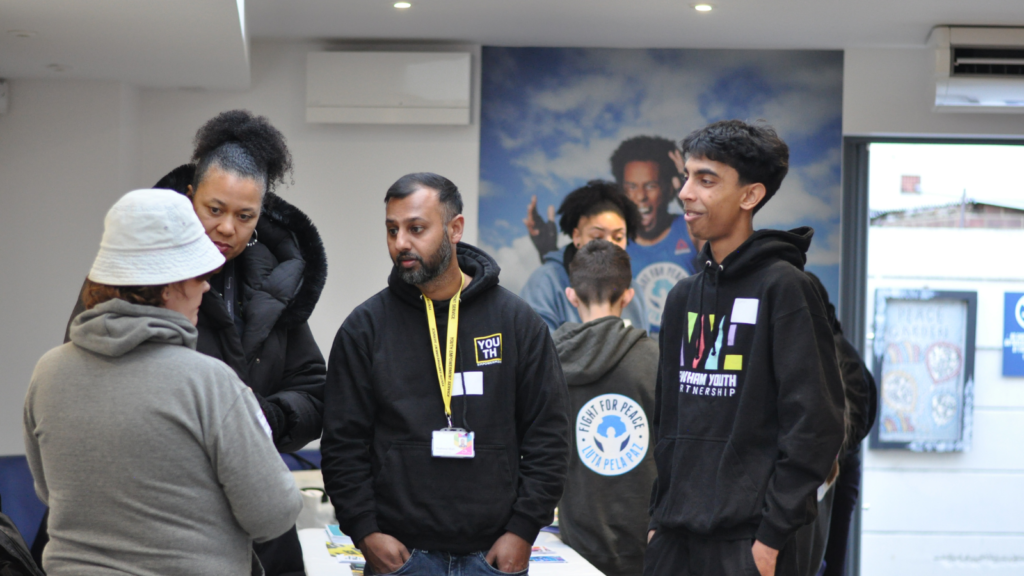
Shine NHS, Brave Project, Transport for London, and West Ham Foundation were amongst the organisations listening intently, leaning into discussion and engaging in real debate. It was here that the reality of what young people feel and experience was heard by decisionmakers that have the power to change it.
For Siam, another presenter of the evening, there was still work to be done; “Most of them [the attendees] don’t really understand the gravity behind what young people face. I feel like if there is only one person that speaks up for it [youth voice], it will not have as great an impact as doing something collectively.”
While systemic change can take time, a night such as this is the perfect opportunity to strengthen the exact life skills that make it possible. As Project Manager Temmy shared, the event honed her ability to problem solve and think critically, something she’s eager to use in the future.
And for Samin, the youngest member of Future Light, events like this show just what it takes to be a leader: “A leader isn’t someone who’s always the loudest or even the smartest but someone who takes initiative, takes responsibility when they mess up and just does that extra bit.”
Each member of Future Light demonstrated exceptional courage and confidence in pouring hours of preparation into this event and then leading it, as Josh Thomas, Manager of the Newham Youth Partnership, reflects: “What this group achieved is phenomenal. They’ve directed this event alongside work commitments, studying, and exams. And this wasn’t some small assembly or meeting, it was a full-on event! To pull off this they had to cover all areas and I am so proud of what they’ve accomplished and how dedicated they’ve been.”
This night proved how vital youth leadership, youth-led events, and spaces for youth voice are. But it is only the beginning. What local leaders and national partners must now do is champion youth leadership for a space at the table. Whether that’s in the board room, in Parliament, or during the executives lunch. This is what’s necessary for real change that’s reflective of the entire community’s needs. Here, systemic change begins.