
For Mental Health Week 2026, we are shining a light on the people behind the work, and the role that culture, care and connection play in helping both staff and young people thrive. At Fight for Peace, wellbeing is not treated as an add-on, it’s part of how we work every day. For our HR Manager, Hannah, that commitment to people was clear from the moment she first encountered the organisation.
“When I applied to work at Fight for Peace, I immediately noticed that the young people were close to the charity,” Hannah explains. “It wasn’t a case where they were removed from the realities of the organisation. I realised this was going to be practical. I would be in interaction with the service users, and therefore I could make an impact in my own way.”
That sense of proximity – to young people, to purpose and to one another, continues to shape Fight for Peace’s culture today. For Hannah, the organisation stood out for three reasons: the opportunity to work in an environment centred around young people, a culture that felt genuinely supportive, and a mission that aligned closely with her own values around human development and transformation.
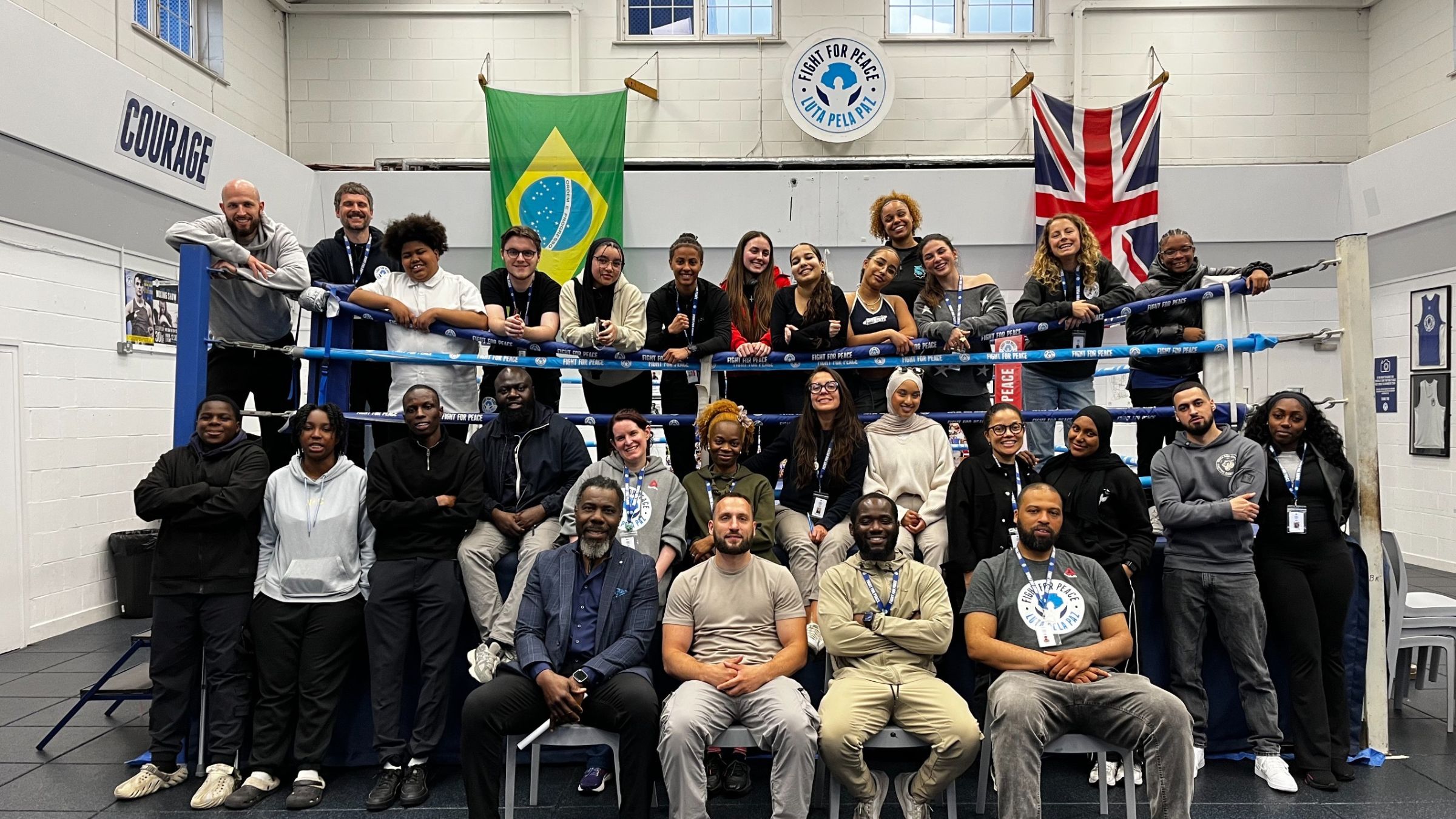
“It felt like a place where I could bring my whole self to work,” she says. “I didn’t have to put up a front. I had the skills to do the role, but I also saw it as a place where I could continue to grow.”
That idea of growth is central to how Hannah approaches HR and wellbeing at Fight for Peace. Her belief is simple: when organisations genuinely invest in their people, everyone benefits, including the young people they serve.
“If a youth worker is extremely stressed from workload or caseload, but then meets a young person to conduct a needs assessment, their mind is somewhere else,” she explains. “However, if they’ve been well supported, then they have the capacity to hold space for our young people.”
At Fight for Peace, wellbeing is built into everyday practice, from regular wellbeing reminders and annual staff surveys, to shared lunches, walking challenges and opportunities for learning and development. The focus is on creating an environment where people feel seen, valued and supported.
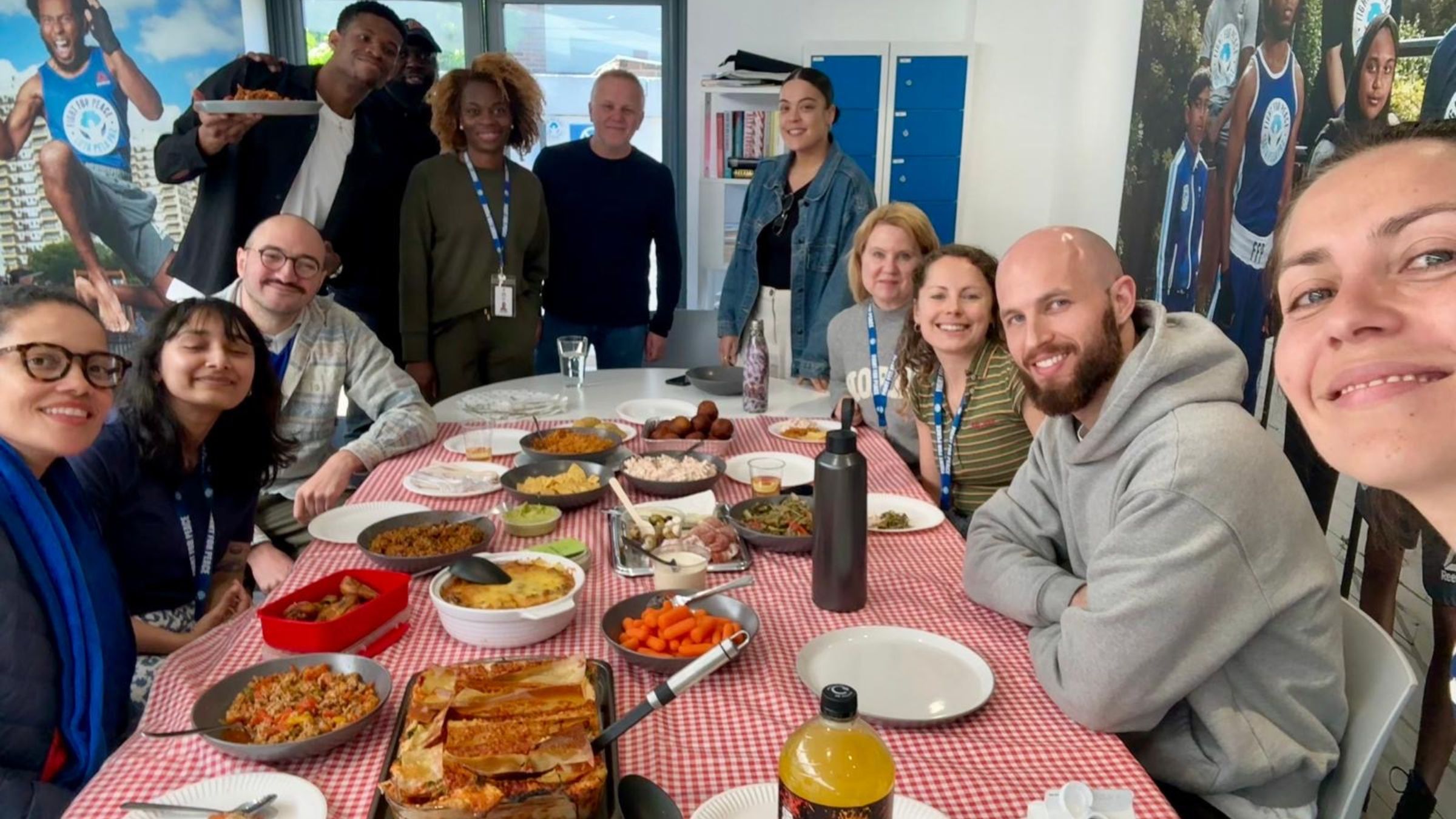
“There are creative ways of supporting people that don’t necessarily cost money,” Hannah says. “Things like potlucks or walking challenges sound simple, but they bring people together. They create space for people to breathe, connect and look after one another.”
For Hannah, one of the most important aspects of HR is building relationships. At the heart of her approach is the belief that people cannot be properly supported if they are only seen through the lens of performance, targets or job titles.
“If we don’t know our people, then we cannot support them. The people you know are the best people to support.”
That philosophy shapes the advice she gives to line managers across the organisation. Rather than focusing only on performance, she encourages managers to understand the ambitions, motivations and personal circumstances of the people they support.
“I tend to ask managers: what’s your relationship like with your direct report? Is there psychological safety there? Do you know what they want from life or work at this point in time?”
That same people-centred thinking also shapes how Fight for Peace approaches policies and internal processes. Rather than creating policies filled with legal jargon, Hannah believes they should be practical, accessible and reflective of the organisation’s culture.
“Policies can be long and feel like a big administrative task,” she explains. “But ours are written in simple, straightforward language so they’re easy to read and genuinely useful for our team.”
Instead of adopting every new workplace policy automatically, the organisation takes time to reflect on what will actually support staff in practice.
“We look inwards first and ask ourselves: does this fit the way we work? Does it support our people?” Hannah says. “Accessibility is not just about having policies available, it’s about making sure people understand them and feel confident using them.”
As organisations across the sector continue to navigate increasing pressures, Hannah hopes more workplaces will focus on building cultures rooted in trust, relationships and care.
“Some of the best forms of support come from being intentional – checking in with people, creating opportunities for connection, and building genuine relationships.”
At Fight for Peace, the wellbeing of staff is not viewed as separate from the organisation’s impact – it is part of the foundation that allows meaningful, consistent and compassionate support to happen. When staff feel supported, valued and able to grow, they are better equipped to show up fully for the young people they work alongside every day.
“If we want young people to thrive, then the people supporting them also need to feel supported, healthy and able to grow,” she says. “When staff are supported in their learning and development, they pass that knowledge, care and confidence on to the young people around them. It takes a village, and we can’t do this individually.”
At Fight for Peace, we are grateful to have such committed HR leadership – not only during Mental Health Week, but throughout the entire year. Hannah’s dedication to wellbeing, growth and genuine human connection continues to strengthen our internal teams and the quality of support provided to every young person who walks through our doors, helping create a community where everyone has the opportunity to flourish.