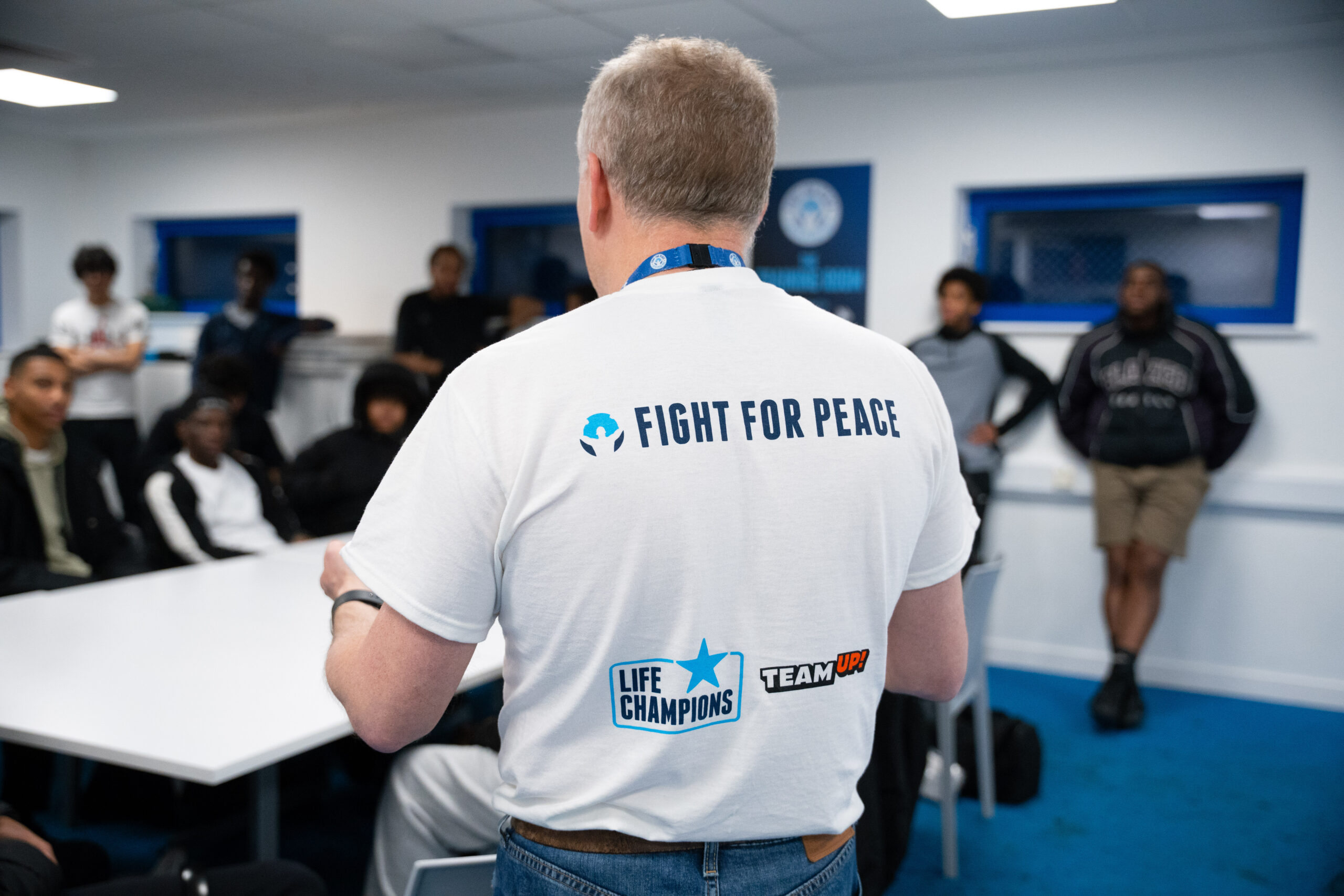
What does positive masculinity look like to a new dad? With Father’s Day approaching, we sat down with Fight for Peace’s Trusts and Foundations Manager, Adrian de León, who shares his journey into fatherhood and some reflections on what positive masculinity looks like.
“What does it mean to be a man? In 2026, our society is struggling to answer this question, leading us to a series of ‘commons’. Finding a common discourse is proving to be increasingly elusive, which leads to the lack of common understanding that is creating a vacuum filled by personalities and institutions that aren’t driven by the common good.
Put together, this means that the crisis of masculinity isn’t with masculinity itself, but with the lack of a common tolerance as to what we want masculinity to be. Masculinity should be a topic approached with open-mindedness and tolerance, and as a recent first-time father, I firmly believe fatherhood can provide a framework.
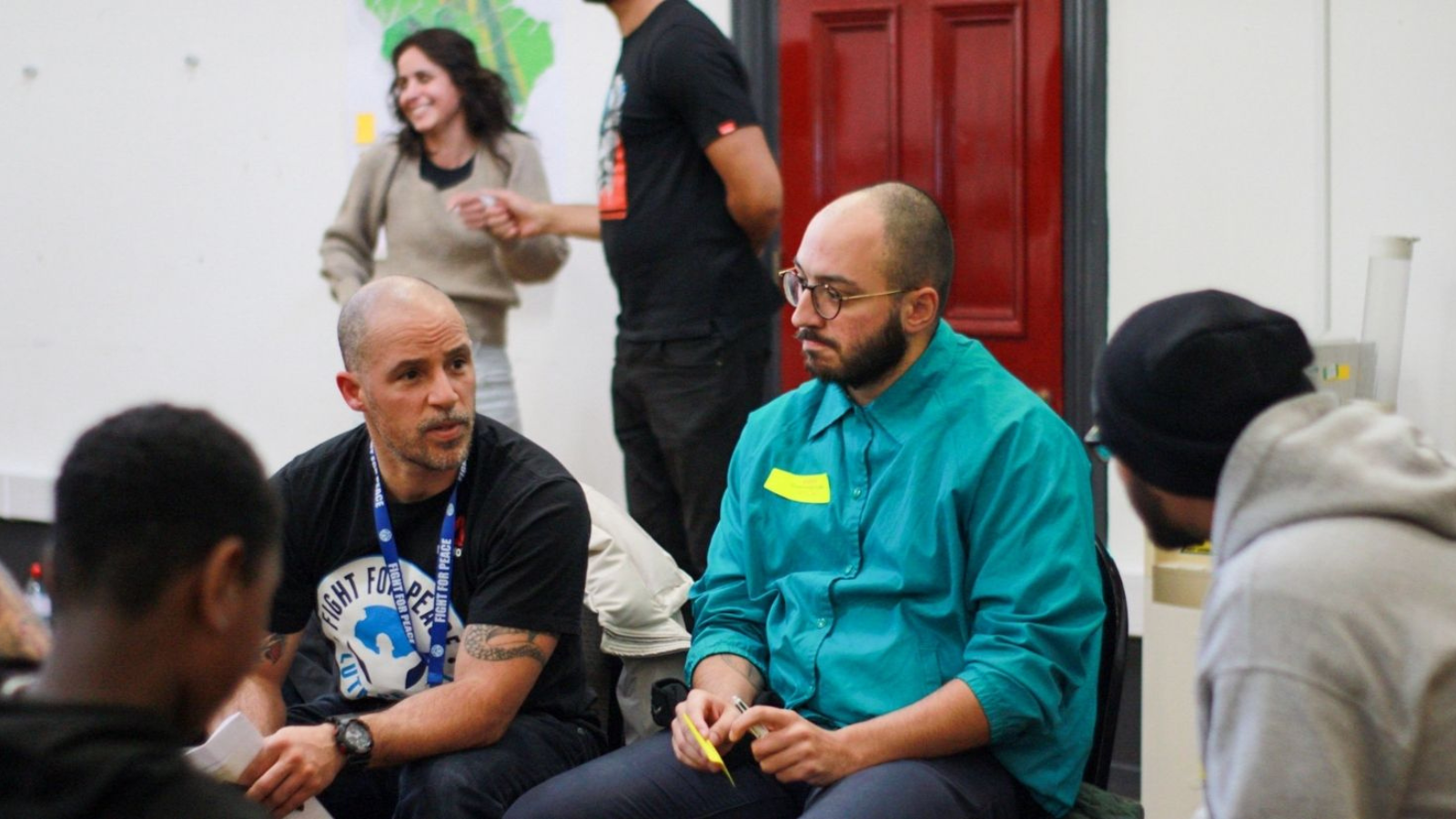
This is because becoming a father requires exactly what the ideologues of the ‘manosphere’ claim to promote: an authentic sense of self. The ‘manosphere’ is a loose term amalgamating online influencers that make a living prescribing what masculinity is, establishing rigid norms that are exclusionary to non-heteronormative identities.
The most prominent figures of this movement are now well known to most of us due to the TV show Adolescence and Louis Theroux’s ‘Inside the Manosphere’ documentary. What is often overlooked in these discussions is the fact that this ‘manosphere’ content dominating the conversation on masculinity is driven not by altruistic goals but by the whims of the ‘attention economy’.
Fuelled by algorithms and disseminated by social media, the ‘attention economy’ rewards content that speaks to our most basic instincts: uncertainty, anger and fear. These base feelings sit at the heart of our conversations around masculinity, but they have been commodified and then weaponised by politics. A weaponisation that has turned public discourse hostile, particularly for the most vulnerable and historically marginalised.
Undeniably, being or becoming a man is fraught with uncertainty and tribulations. When I found that I was expecting a son, I found myself with the same questions, the same lack of confidence and anxiety towards my relationship with masculinity that I hear in the voices of the younger generation.
At Fight for Peace, we support young people who live in one of the country’s most diverse and youngest boroughs, but also one that experiences high levels of economic deprivation and other inequalities. Consequently, our young men and boys are precisely the type of individuals who are most vulnerable to falling victim to the most toxic aspects of the ‘manosphere’ ideology.
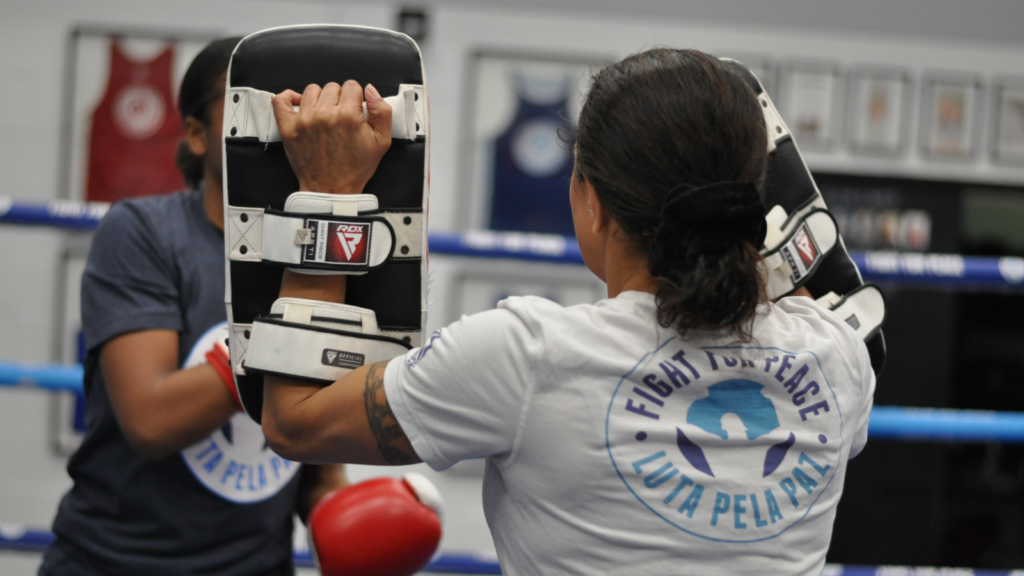
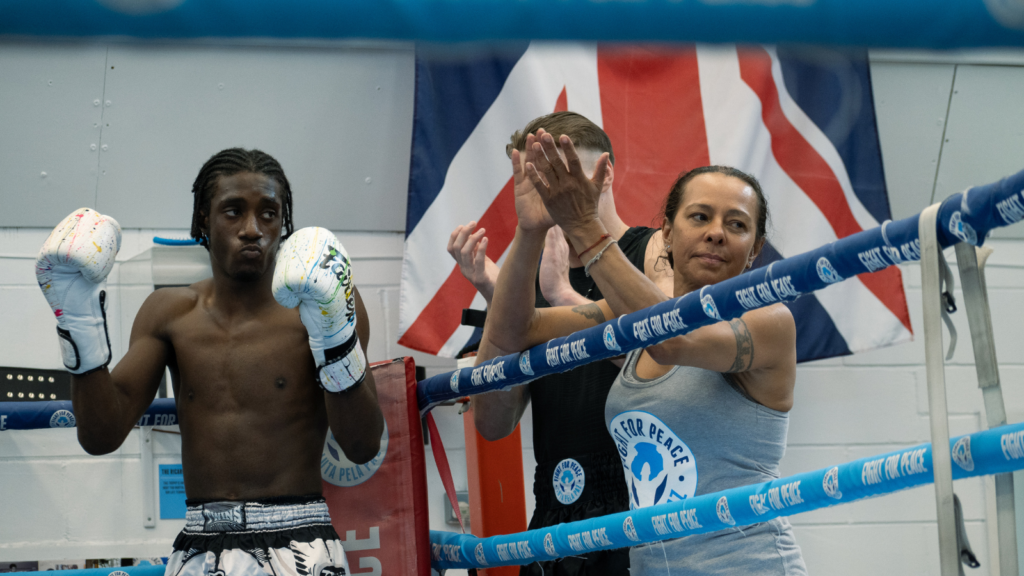
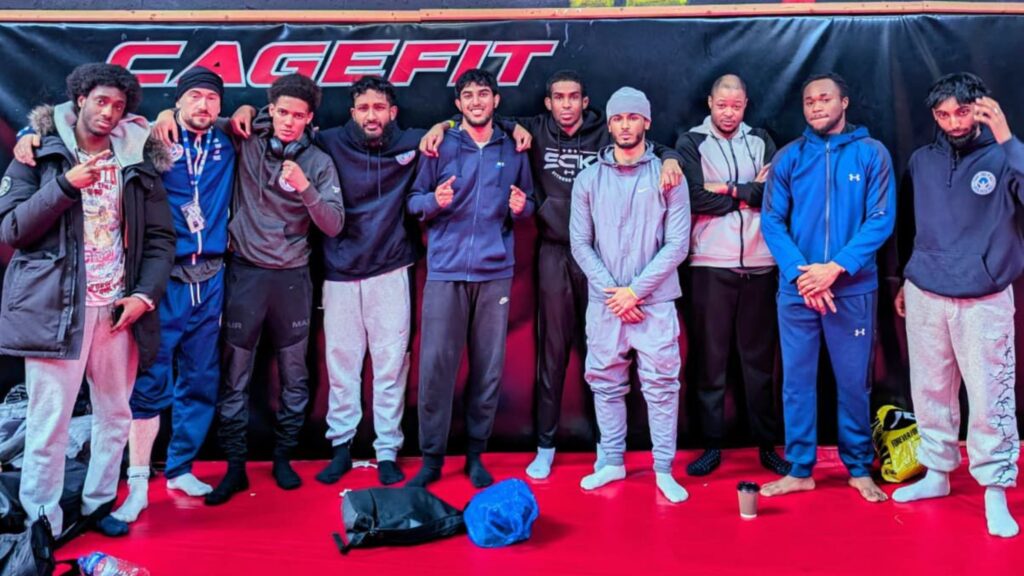
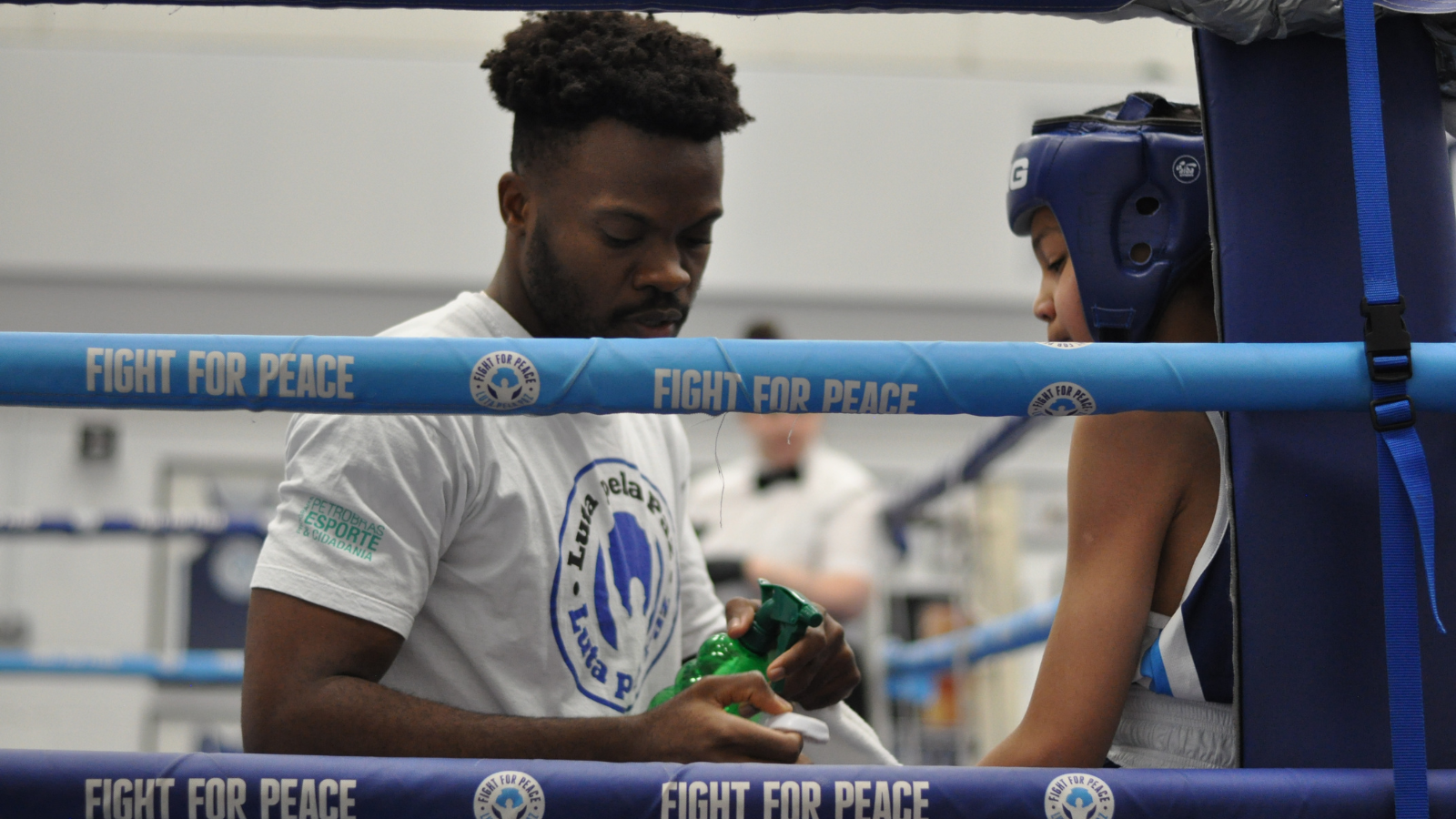
Yet, this vulnerability isn’t deterministic; at our Academy, young men and boys have a safe space to develop a positive and authentic self. We provide them with free access to boxing and martial arts sessions that are embedded with personal development training. They build relationships with male staff who offer consistent and asset-based support. For many of these young people, our coaches are the father figures missing in their lives.
Having grown up without a father and never finding a suitable male role model for guidance, I resonate with many of our young people’s experiences. I had to carve out my own understanding of masculinity without any positive anchoring. When I held my son, uncertainty crept in because I realised that I built a sand castle not within the kingdom of masculinity, but on the periphery, guarded behind an impenetrable wall. I decided that I wanted my son to have the tools to claim his own sovereignty within the boundaries of masculinity and not away from it.
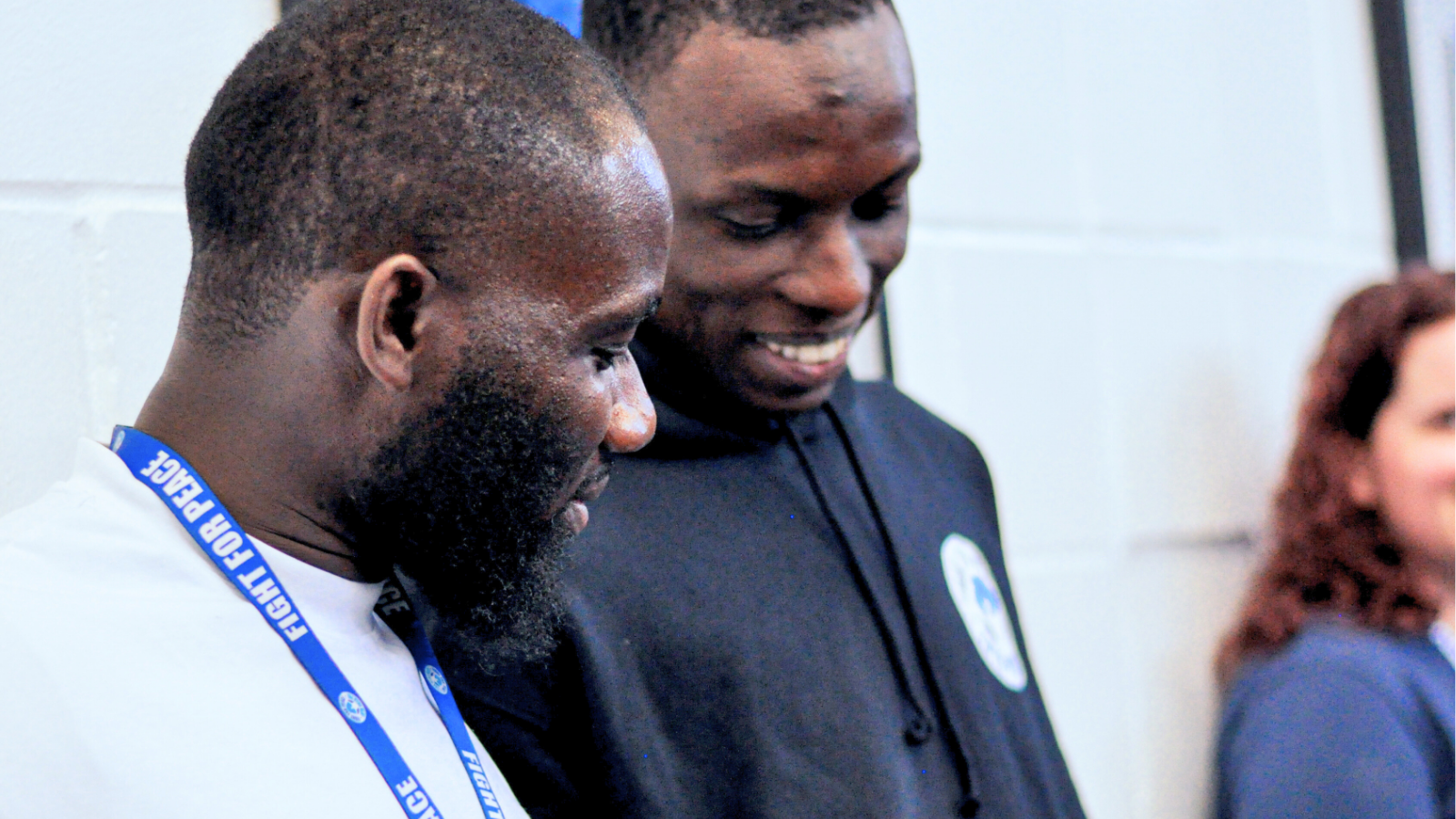
And so, when I once shied away from evidence of masculinity in my life, I instead went out of my way to observe different ways masculinity presented itself to me. Fortunately, I work at an organisation that has consistently provided me with evidence of what positive masculinity can be.
Positive masculinity looks like positive fatherhood; it looks like showing up consistently and providing guidance that is comfortable with vulnerability. It’s driving athletes across the country for competitions; putting an arm around the shoulders of those who need it and displaying an empathy that defies the ‘macho culture’ of the combat sports ecosystem.
Positive fatherhood is championing the inclusion of young women and girls, those living with disabilities or from the LGBTQIA+ community, and calling out exclusionary behaviour. Positive fatherhood is witnessed every day in the gym, when coaches set the same standards across the board and reward all efforts regardless of ability.
Being a witness to this coach-young person relationship has taught me that being a man isn’t a commodity but is embodied daily. Positive masculinity is having values that do not wither away when others fall short of them; it is enabling others to present themselves to the world authentically and never manufactured for attention. Positive masculinity, like fatherhood, is the championing of a strong authentic self.”
Interested in exploring masculinities? Fight for Peace runs a weekly personal development space called Man Talk, which provides a safe space for young men and boys to discuss what it means to be a man, the challenges they face, and how to overcome them in a non-judgemental environment. Join us for sessions on Wednesday evenings: 5.30–7 pm.