We’ve been steamrolling through the year. Travelling across the nation, we’ve had the chance to attend global events, forge new partnerships and collaborate with a wider variety of organisations from across the Sport for Development Sector. But what does this really mean and why is it important?
Reflecting on each of these moments, we’ve taken these experiences for all they’re worth; learning from others, remaining responsive to what young people need, and shifting our approach. Now, we’re using this collective knowledge to produce practical resources and tools that support organisations nationally in helping every young person thrive and stay active. Because ultimately, a stronger sector only happens when we work together, not in isolation.
The most recent Sport England Active Lives Children and Young People Survey declared that activity levels are the highest they’ve been since the survey began. A glorious triumph for the sector. Yet, it also highlighted that persistent inequalities remain, with girls still significantly less likely to be active than boys – a gap we continue to respond to in new, innovative ways.
Over the past three years, we’ve seen extraordinary success at our London Academy, achieving a 66% sharp uptick in engagement with women and girls. Rather than keeping that success in a silo, we are now in the process of codifying our approach into a training package which will help other organisations close this persistent gap between young men and women.
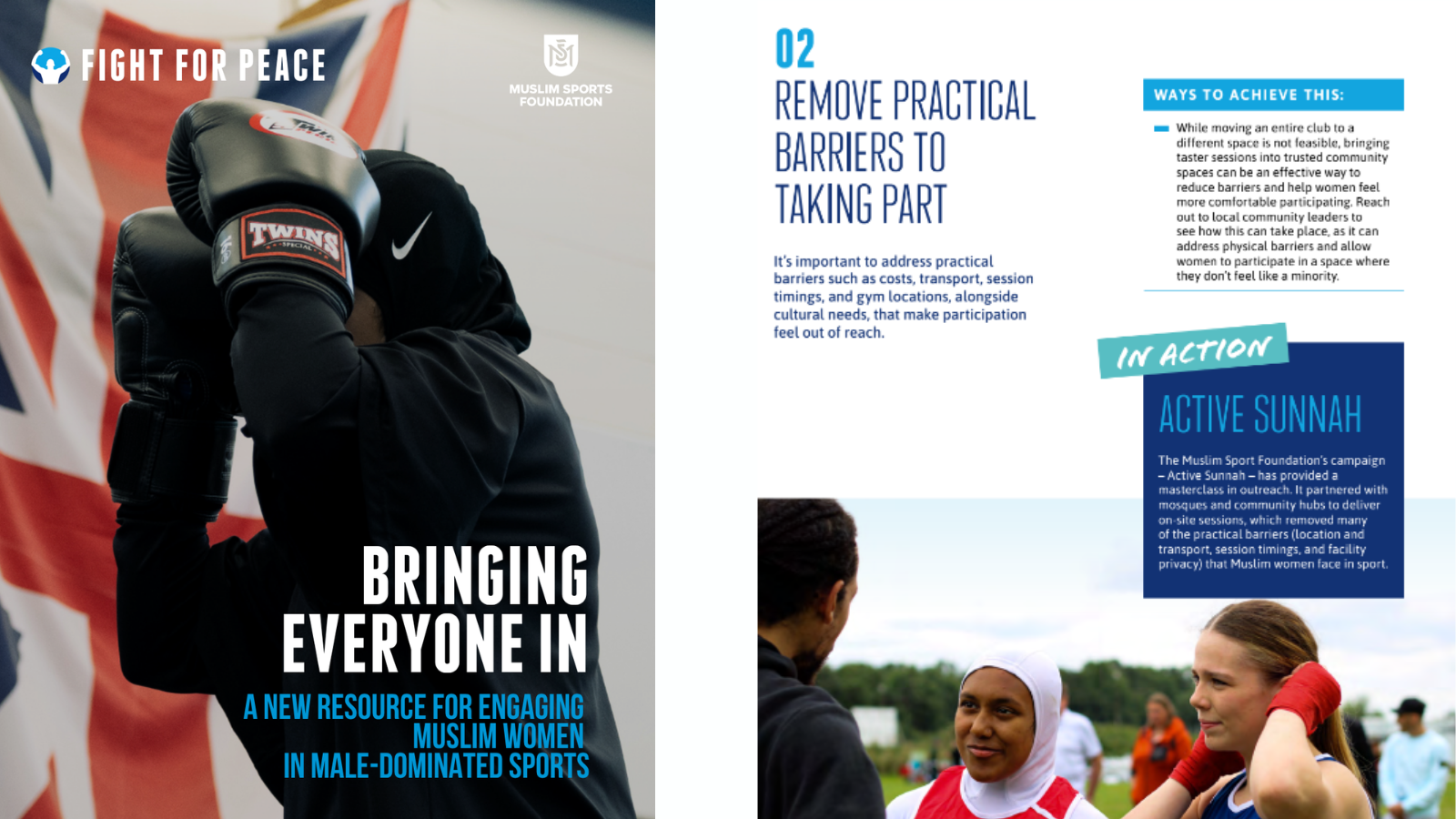
While celebrating these victories, we know there is always more to learn. True inclusion requires nuance. Our latest resource, Engaging Muslim Women in Male-Dominated Sports, was developed in close collaboration with the Muslim Sports Foundation, and their insights were invaluable in ensuring our approach remains sensitive to the lived experiences and cultural identities of Muslim women.
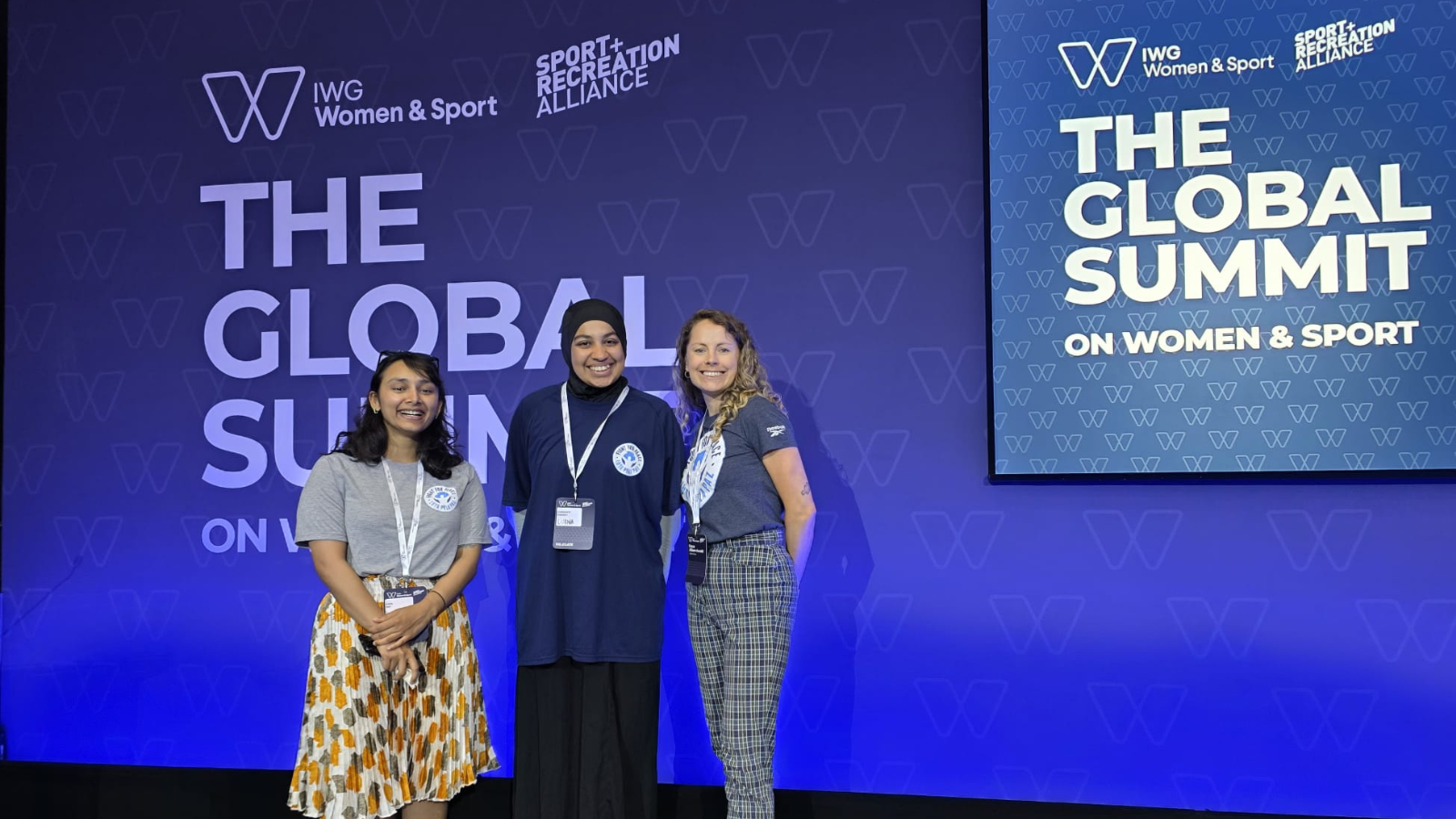
Taking our work to major global and political stages allows us to bring international lessons back to the grassroots while advocating for systemic change. Attending the IWG Women & Sport World Conference provided inspiring insights into inclusive initiatives worldwide.
CEO Naseem Akhtar of Saheli Hub reminded us to meet women where they are, offering a grounding reminder on how we deliver sports with her quick quip about triathlon logistics: “Who wants to run around a park with wet hair?” While Dr. Michael Kehler highlighted the vital role men and male allies must play in driving gender equality in sport, and how we can bring more men into the movement.
Our involvement in Westminster events alongside projects linked to Comic Relief and Movember offered crucial opportunities to align work across youth development and mental health.
Furthermore, we joined a growing coalition of over 40 organisations, brought together by Beyond Equality and the End Violence Against Women Coalition, committed to bridging work between addressing Violence Against Women and Girls (VAWG) and supporting men and boys’ wellbeing. These platforms give us a vital space not only to collaborate, but to speak truth to power and ask questions directly to those making policy.
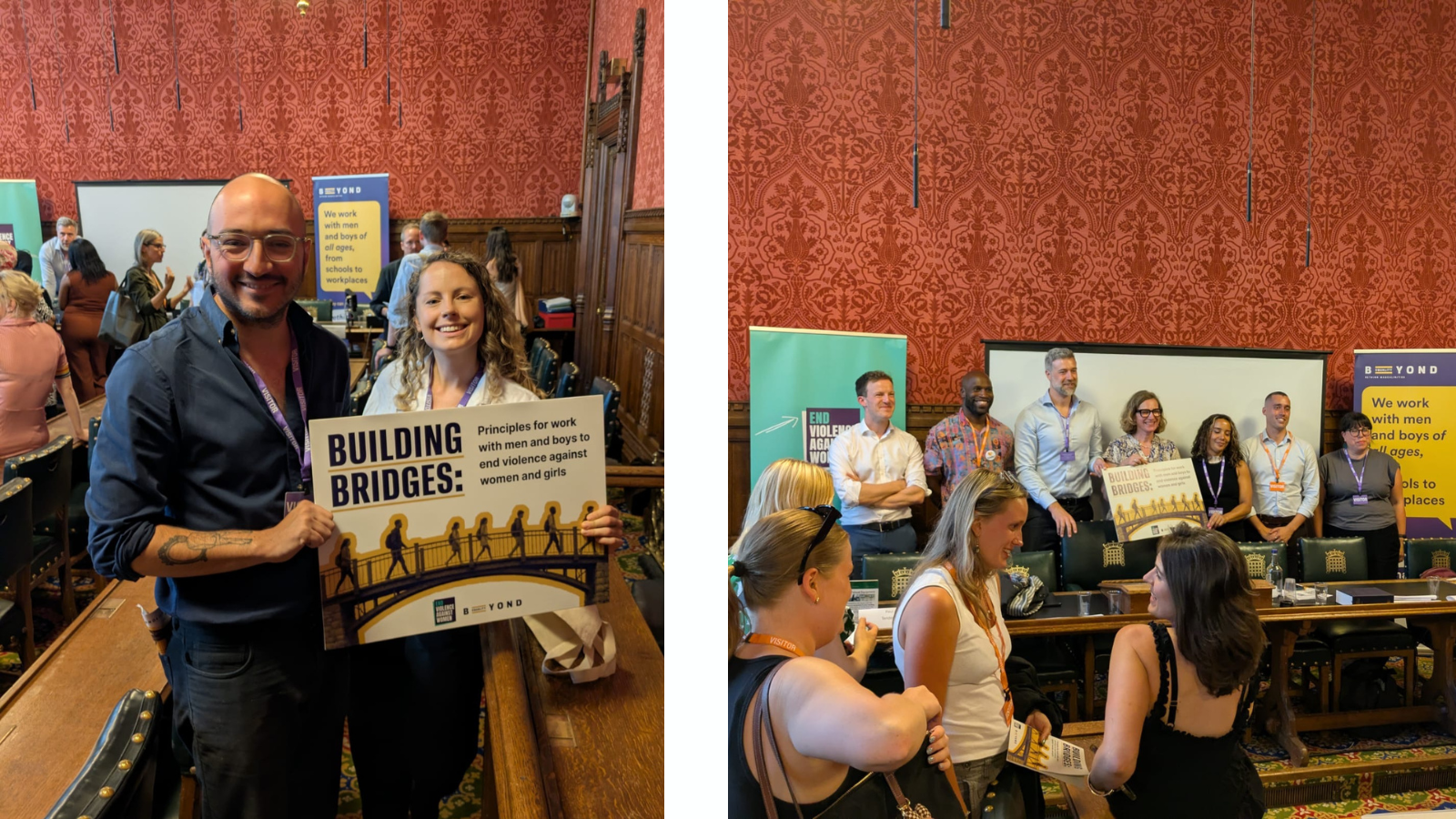
It’s humbling as well to recognise that our insights also work as a two-way street. We learn from those speaking on global platforms, while demonstrating to major sporting events how grassroots expertise can drive true, lasting social impact.
As our Head of Strategic Programmes and Innovation, Ana Vacas, shared: “We joined national partners and local authorities at the JOY stakeholder event for the 2027 Tour de France Grand Départ, contributing to discussions on how this iconic, mainstream cycling event can create meaningful social impact in local communities.”
We’ve spoken a lot about our growing expertise in many different sports, but combat sports remain at the heart of Fight for Peace. Even as our work expands across the broader sector, we stay firmly rooted in our home disciplines.
This was on full display at the Martial Arts Studies Association annual conference. Sitting alongside global academics and leading National Governing Bodies like British Judo and the UK Brazilian Jiu Jitsu Association, we joined conversations about the sector’s future.
And, we didn’t just bring perspective to the room. We brought practical tools. Our CEO Lee Hemmings introduced new and upcoming Fight for Peace resources designed to translate technical research into quick, actionable takeaways for coaches and grassroots organisations. The response? “They were snatched up like hot cakes,” Lee shared.
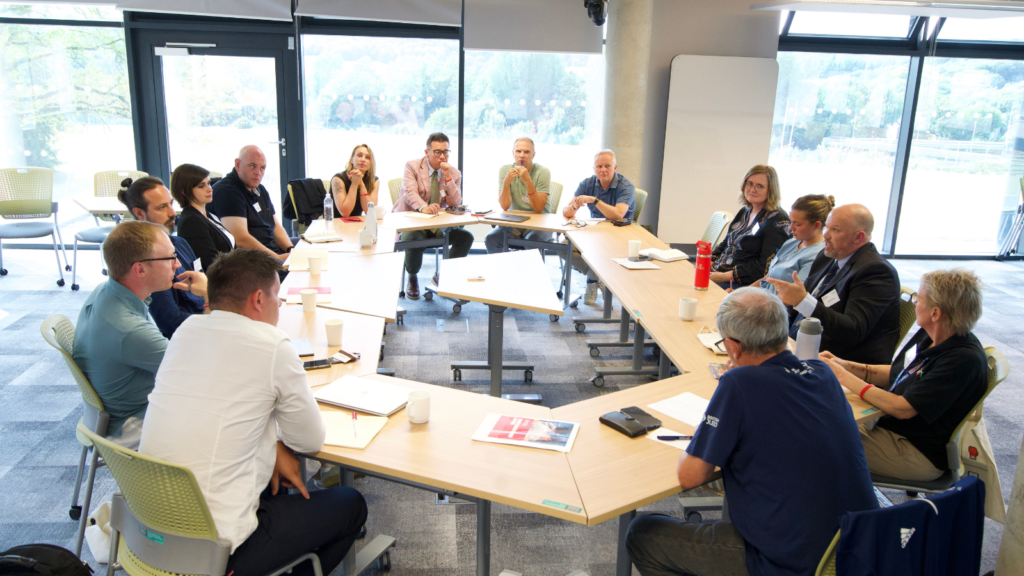
Ultimately, building a stronger, more inclusive Sport for Development sector isn’t something any single organisation can do alone. By sharing our insights, learning from our peers, and turning our experience into practical tools, we can ensure that every young person, regardless of their gender or background, has the opportunity to feel safe, stay active, and reach their full potential.
Want to explore what a partnership with us might look like? Please reach out to info@fightforpeace.net.
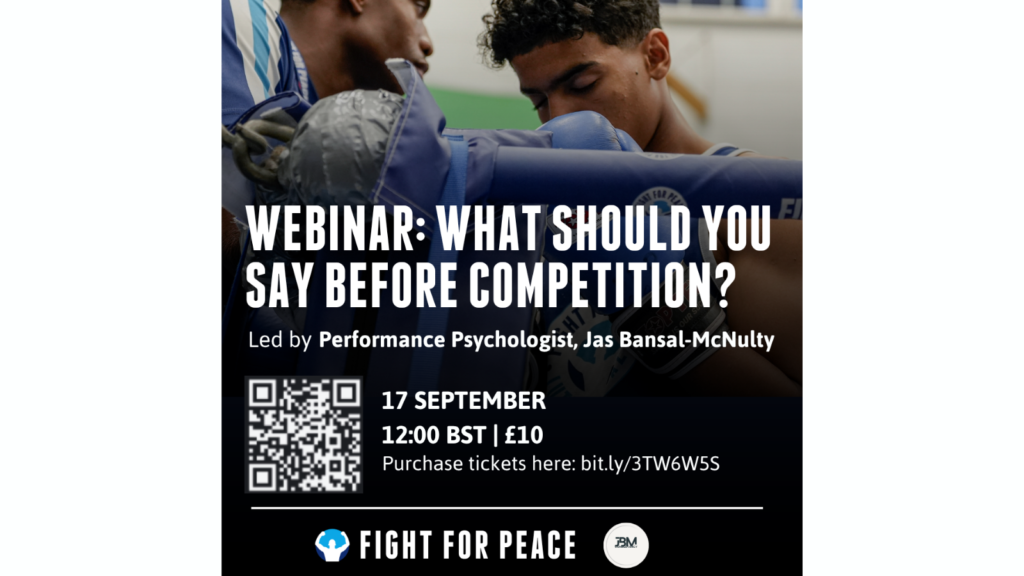
We’re also pleased to announce our next webinar, What Should You Say Before Competition? This coaching masterclass is led by Performance Psychologist Jas Bansal McNulty and is for coaches and practitioners working in combat sports. Find details below!