From Malaysia to Indonesia, and from France to Spain, the world has not only shared unprecedented heat this year, but has also collectively readied itself for what many claim will set a ‘new normal’ for future generations: a social media ban.
In the UK, it’s scheduled to come into effect in Spring 2027, and organisations and child rights activists have come out in storm to pitch against either side of the decision. Behind the debate, a huge question remains: how are young people reacting? We asked some of the young people whose lives are about to change.
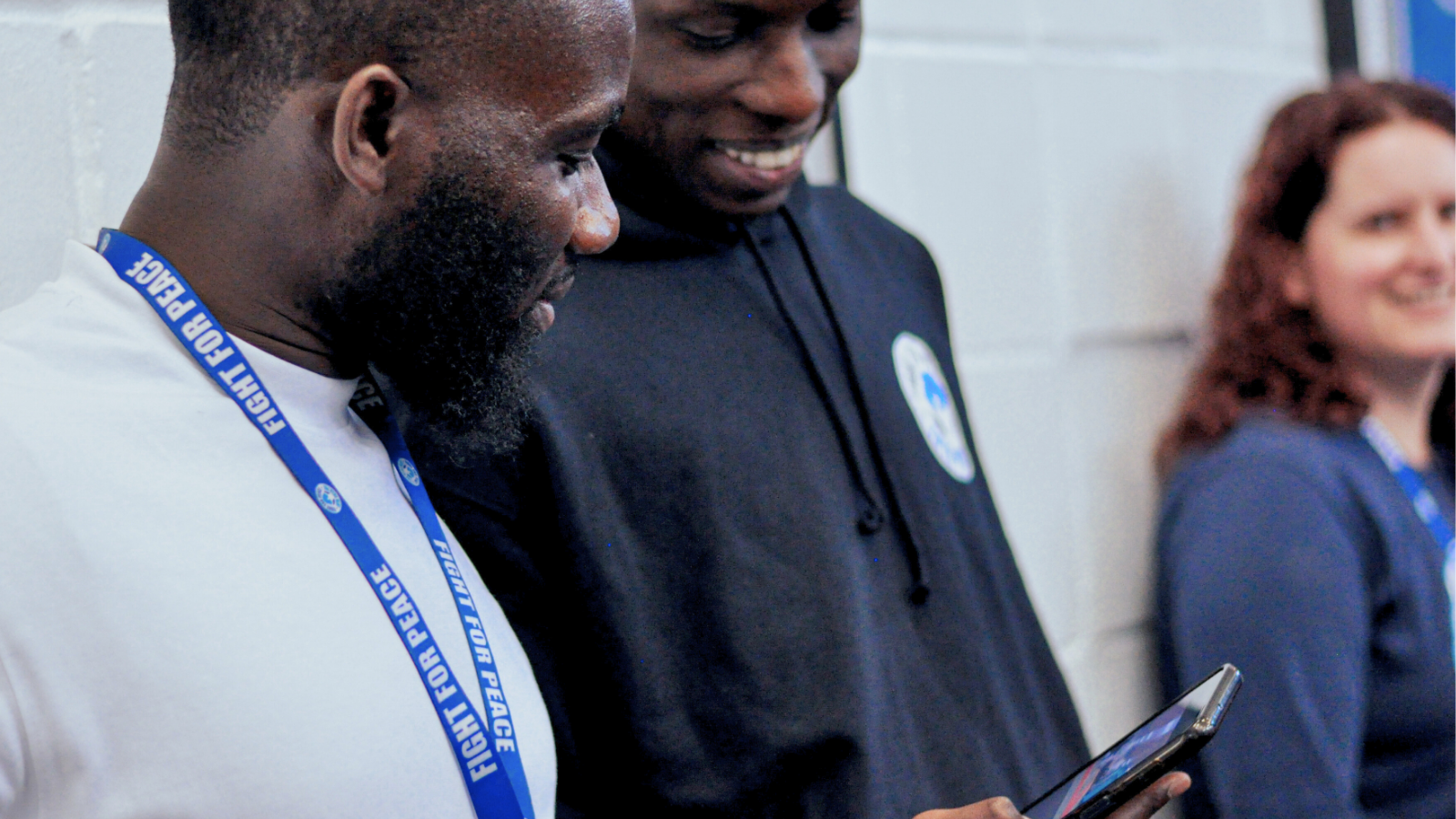
For Niala, a 10 year old attendee who is part of a larger group that gathers in our Academy Hub every day, social media is full of endless possibilities: “We can watch all these videos about almost anything. The ones in history are amazing, and, obviously, we can learn magic tricks!”
Another in the group excitedly adds that the TikTok videos of Zack D. Films, a content creator who often explores how everyday things work and explains scientific concepts through animation, are something she can’t stop watching.
Zack’s videos are marketed as ‘informative’, but his content has been flagged as not 100% accurate, and his move towards more graphic and bloody content recently has led audiences to worry about how this may desensitise younger watchers; with an audience of 7.8 million followers on TikTok alone, these claims feel particularly important to consider.
This concern leans into one side of the debate on the social media ban, particularly around how social media can impact children’s mental health and how certain content could expose young people to misinformation and harm. Alongside this, those in favour of the ban also emphasise the risks social media poses with addictive algorithms, opportunities for exploitation and financial extortion, online predators, and body dysmorphia.
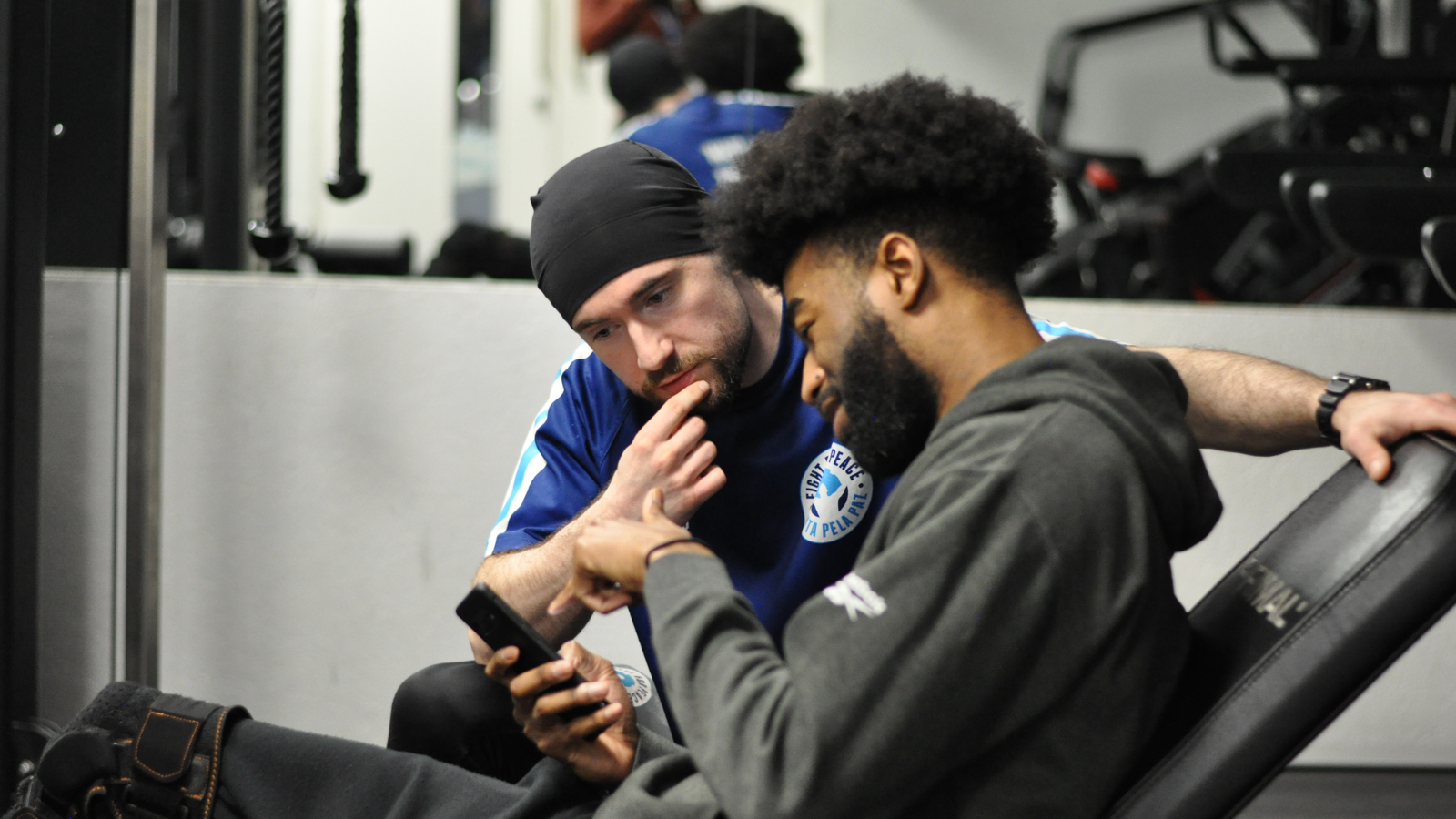
Yet this is only one side of the argument. Back in the Fight for Peace Hub, we asked the same group what positives social media brought to them. Sara, who’s 10, shared, “The dancing routines that I learn on (Instagram) reels are so much fun, and it’s something we (she points at the group) all learn together.”
She touches on a crack in the proposed ban. Social media does offer a fantastic opportunity to build bonds, community and friendships, as well as skills. In a time when council funding is now scraping the barrel, with youth centres as the first sacrificial entity, opportunities to spend time with peers are limited – so shouldn’t there be a safe way to allow connection without harm?
This is particularly true for young people who face physical or social barriers. For neurodivergent and disabled youth, as well as historically excluded groups, social media can provide a support network and community when physical spaces can be challenging.
This resonates with Amnesty International’s reaction to the ban, where they called it “the “Right diagnosis, [but the] wrong prescription.” In their statement about the ban, they detail that the “problem is not that children exist on social media; it’s that social media companies have built platforms that are unsafe by design.” Rather than banning young people, the focus should be on stricter regulations and safe algorithms.
It’s an important distinction. Back to the bustling Fight for Peace Academy, we’ve now asked the group: how do you think young people will feel when the ban comes in? Niala responds, “Young people will always get around it – they’ll just lie about their age.”
Youth Mentor Vicky sees both sides. While she recognised the harm of social media, “it’s seriously affecting attention spans… it’s almost like no one is thinking for themselves anymore,” she believes prohibition may not be the answer: “A ban won’t stop them. They will always find a way. Just think about what we did when we were younger.”
Niala and Vicky are right, and what’s more, if young people do get around the ban and use social media regardless, won’t they put themselves at even greater risk?
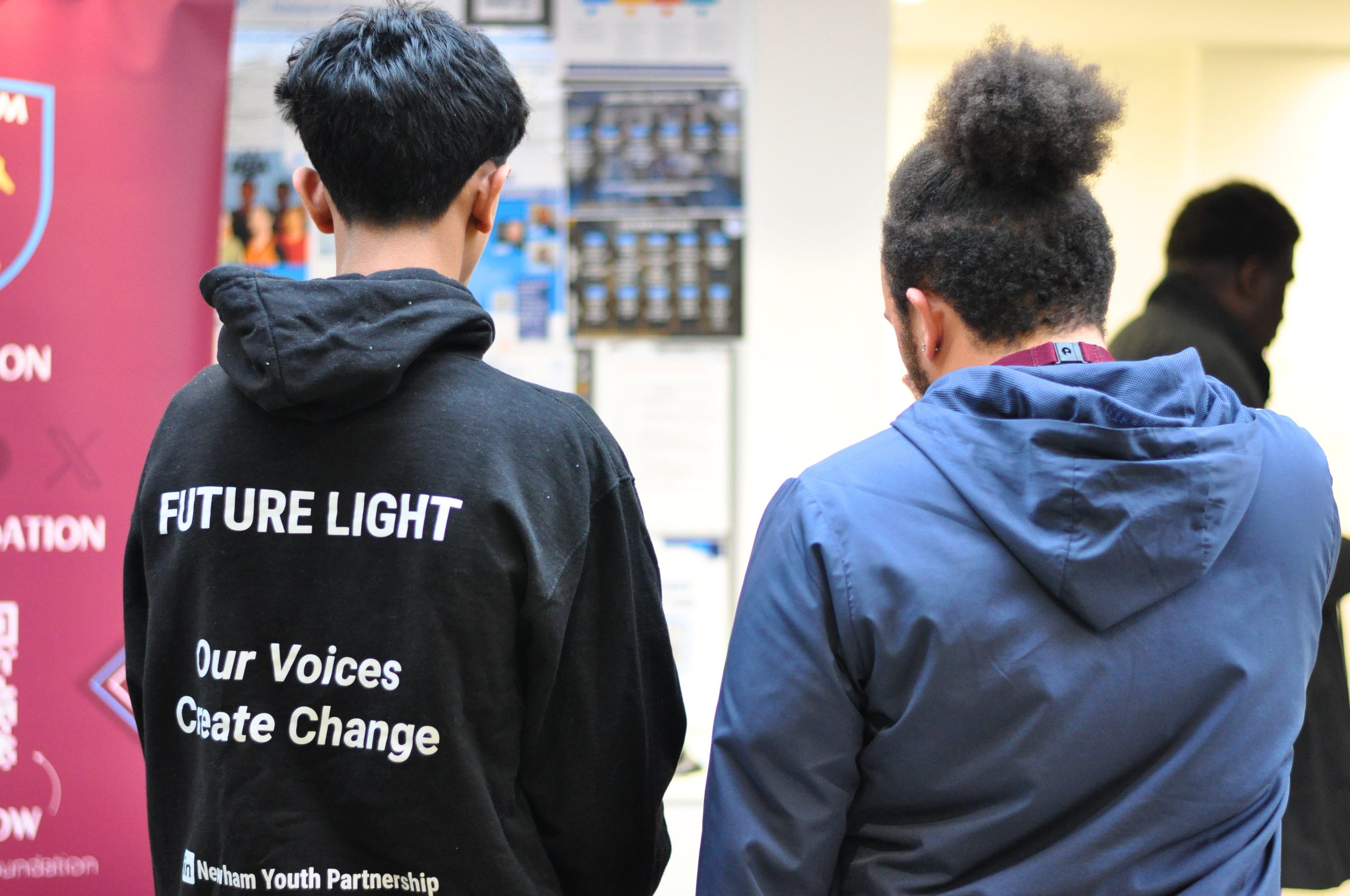
What this conversation has amplified is how integral it is to have young people in the discussion. At Fight for Peace we will always advocate for youth voices to be drawn into the heart of any and all issues that concern young people, not only because it encourages thought leadership, but because these decisions will directly impact their lives.
At a time when this generation is already reported to be more isolated than any before it, we shouldn’t be leaving young people out of the debate, but instead building more spaces where they can safely thrive through agency and communication.