
Beginning on the 25th November and running until 10th December, the 16 Days of Activism Against Gender-Based Violence is a global campaign to end violence against women and girls everywhere. At Fight for Peace, our work is dedicated to supporting young people to reach their full potential and for young people to achieve this we need to end gender-based violence, and break the stigma of silence that surrounds it.
According to the National Audit Office, between 2023-2024, over 1.2 million women were estimated to have been victims of domestic abuse. Alongside this, research from the UK Parliament in 2025 shared how girls are more likely than boys to experience sexual violence, domestic abuse, and stalking, as well as being particularly vulnerable to this violence between the ages of 10 – 15. It’s clear that violence against women and girls is a public health crisis.
Speaking with Fight for Peace Secondary and Tertiary Intervention Manager Maria Gomes, we discussed why this 16 Day period of activism is crucial, and why a year-round commitment to combating gender-based violence (GBV) beyond this moment, is even more necessary.
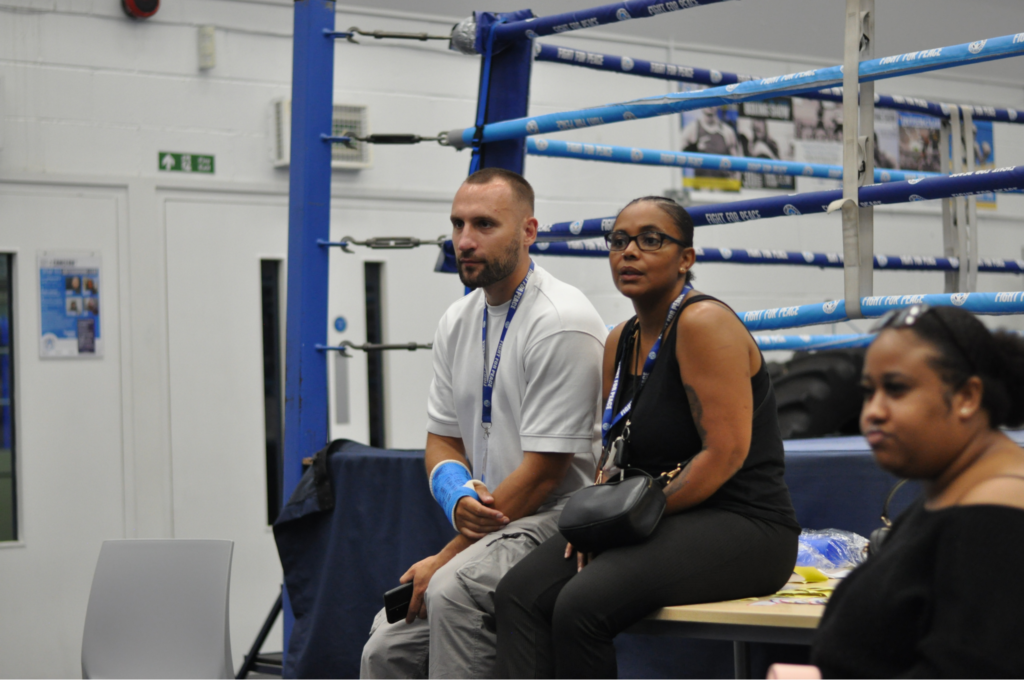
Maria begins by speaking about the importance of campaigns such as the 16 Days of Activism; “it’s important to know because lots of women and girls still think [gender-based violence] is normal, especially when it comes to a partner.”
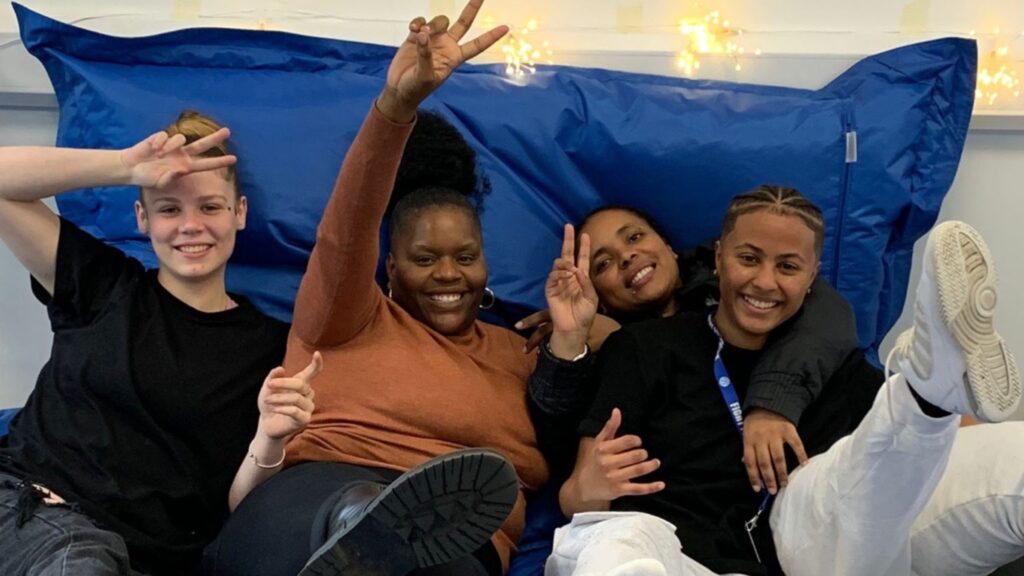
Alongside her safeguarding role, Maria leads the Lutadoras – the Fight for Peace women-only personal development group – that takes place weekly and offers a safe space for women and girls to express themselves, seek guidance, and build resilience and community.
Maria explains how topics surrounding GBV are discussed in the group; “we talk about the signs, the red flags, domestic violence, coercive control, sexual assault…what these terms mean.”
She shares how young women and girls can often believe that this violence is “normal life,” but with groups like the Lutadoras, we can “start talking about it, and for them to understand that it is not normal.”
Yet, these conversations are not easy as Maria emphasises one of the greatest barriers to addressing violence against women and girls is the stigma, fear and silence that surrounds it: “the fear of not knowing what to say, and that they know these things [are happening] with their partner or boyfriends, but there’s this stigma, so it’s difficult to start the conversation.”
It’s here that Maria raises two vital points. The first is the need for “men and young boys to be in on this conversation as well. [the men might think] ‘I had a different perspective, but now, after talking about it, I understand the other’.” Maria speaks of tackling the culture of silence through a change in mentality, and for that to be achieved, it involves everyone: “The more we can talk and educate, the better.”
The second point she raises is to remember that GBV can affect everybody – of all genders; “there are a lot of men as well that are victims of domestic abuse… they just don’t speak up.” Harmful masculinity norms, shame, fear, the perception of men as perpetrators all contribute to this stigma and perpetuate the silence around GBV that keeps men and women quiet alike.

So what’s the solution? The fight to end GBV cannot be confined to 16 days. As Maria concludes, “there’s a lot more that needs to be done,” and conversations that normalise discussing GBV need to be year-round.
While Fight for Peace remains steadfast in this commitment, this is an important call for more organisations to prioritise these conversations with young people. Only then can we break the stigmas surrounding GBV, end violence against women and girls, and allow all young people the true opportunity to thrive.
If you’d like to join us for the Lutadoras sessions, these run weekly on Thursday from 5:30pm – 9:00pm. If you ever need to access support regarding the issues discussed within this article, we have incredibly dedicated Youth Mentors and Safeguarding Leads available for any questions you might have, or support you might need. Our doors are open all year.
