
Going into 2026, sports at Fight for Peace build momentum, confidence, and clear ambition. As Sports Manager Silvino Domingos explains below, what we are seeing now – the wins, the titles, and the growing presence of our athletes on competitive stages – reflects the strength of the foundations we have built over the past two years.
Through consistent investment in athlete development, smarter competition planning, and strong coaching delivery, we have created a pathway that is producing real results. Our competitors are stepping into tournaments prepared, focused, and ready to perform, and that belief is driving a new era of success for Fight for Peace sport.
“Throughout 2023 and early 2024, Fight for Peace saw just 17 young people step into competition. By 2025, that number had more than doubled to 40 athletes proudly representing us on the competitive stage. This growth reflects not only increased participation, but the strength of our coaches’ commitment to delivering the vision we set – and the results speak for themselves.
Last year alone, we achieved a win ratio of around 68%. But more importantly, we are focused on winning tournaments, collecting titles, and building a legacy within the Academy – with trophies on the walls that young people can look at and feel proud of.
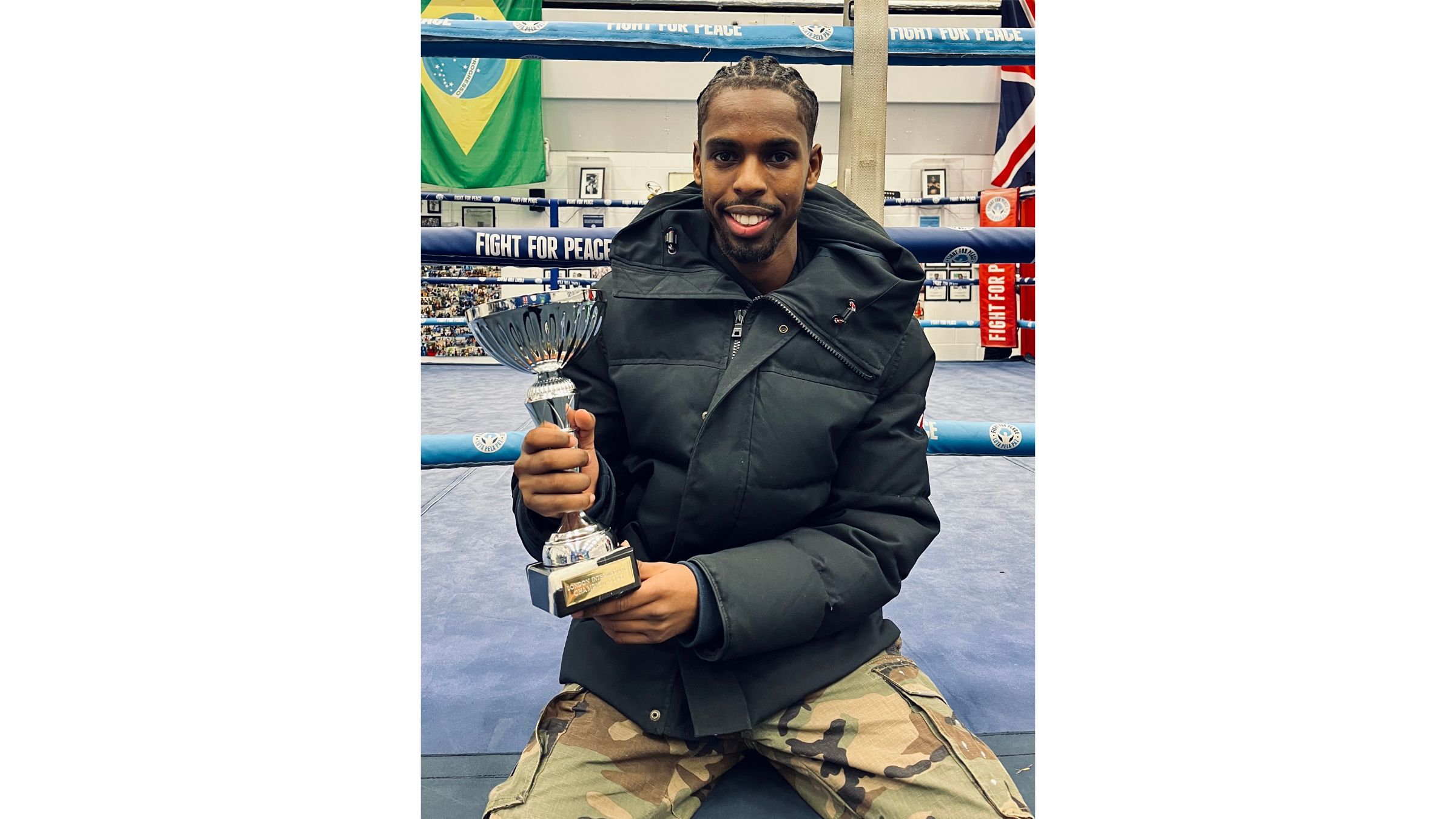
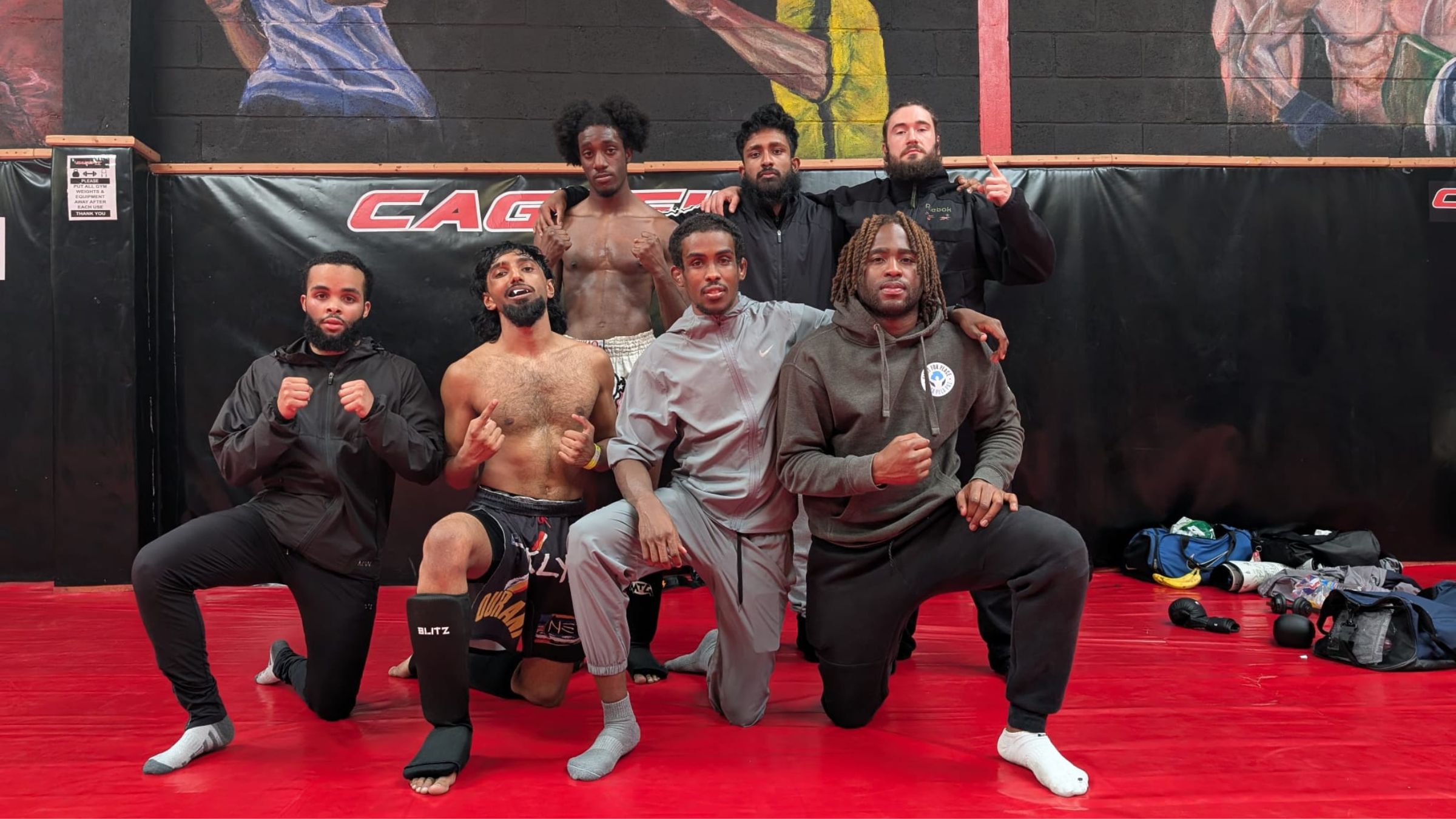
A big part of that success comes down to commitment. We increased the number of training sessions available, including adding Saturday competitor sessions, and many of our athletes now train up to six days a week. Our young people have shown that they want to take their sport seriously, and it’s our responsibility to match that commitment with the right opportunities, coaching, and competition pathways.
Looking ahead, one of our biggest priorities is retention – especially for women and girls. This is not just a Fight for Peace issue, it’s a national challenge. Participation in sport drops significantly between the ages of 11 and 16, and the decline is even sharper for girls. There are many barriers, from academic pressure to social stigma around combat sports. That means we have to be intentional about creating an environment that truly supports young women. We want our Academy to be a place where girls feel welcomed, valued, safe, and motivated to return week after week.
In 2025, we made strong progress with women and girls in competition. We had more women athletes competing than ever before, with others narrowly missing out due to injuries or exams. This year, our aim is to double that number. While a perfect 50/50 gender split in combat sports may not be realistic right now, increasing participation and representation absolutely is. We already have several girls on the cusp of competing, and our role is to continue creating clear pathways for them to step onto the competitive stage.
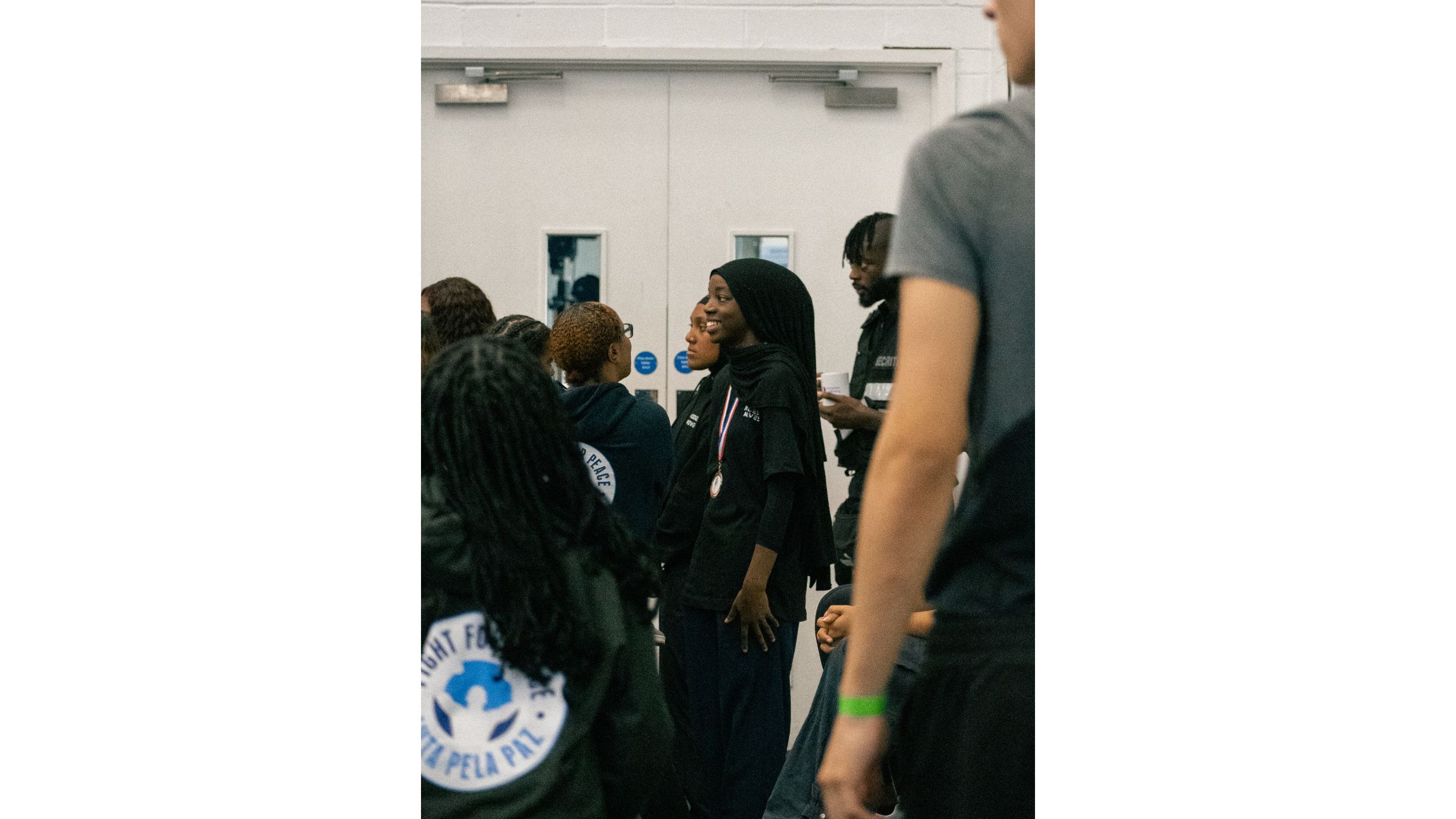
Photo: Fatimah Mujtaba
Retention is also about offering programmes that meet young women where they are. Our women-only Fighting Fit sessions have been one of our biggest successes, with every class running at full capacity. Many girls who may not initially be interested in competition still want access to fitness in a supportive, women-only environment. Our Flex and Flow sessions, combining mobility, stretching, and mindfulness, have also created a calmer space focused on wellbeing. Capoeira has grown significantly too, becoming one of our most inclusive sessions with a high percentage of women participants supported by coaches who prioritise care and culture.
Another major strength in our retention strategy is the growth of women leaders within Fight for Peace. Over the past year, many young women completed boxing coaching and personal training qualifications. We now have a strong pool of women coaches and volunteers delivering sessions across the Academy. This improves consistency, strengthens delivery, and ensures girls see role models who understand their experiences and represent what’s possible. Having women with lived experience leading sessions is essential to building trust and long-term engagement.
Our junior pathway is another area we’re especially proud of, with young athletes aged 10 to 14 showing incredible discipline and hunger to improve. Some will enter full competitions this year, while others will gain experience through skills bouts. We already have juniors preparing for upcoming Box Cups, and their attitude is inspiring. They arrive every day with energy and positivity, but when the bell rings, they switch on and put in the work. Despite the many distractions young people face, they continue to choose the gym, and that commitment gives us real confidence in what lies ahead.
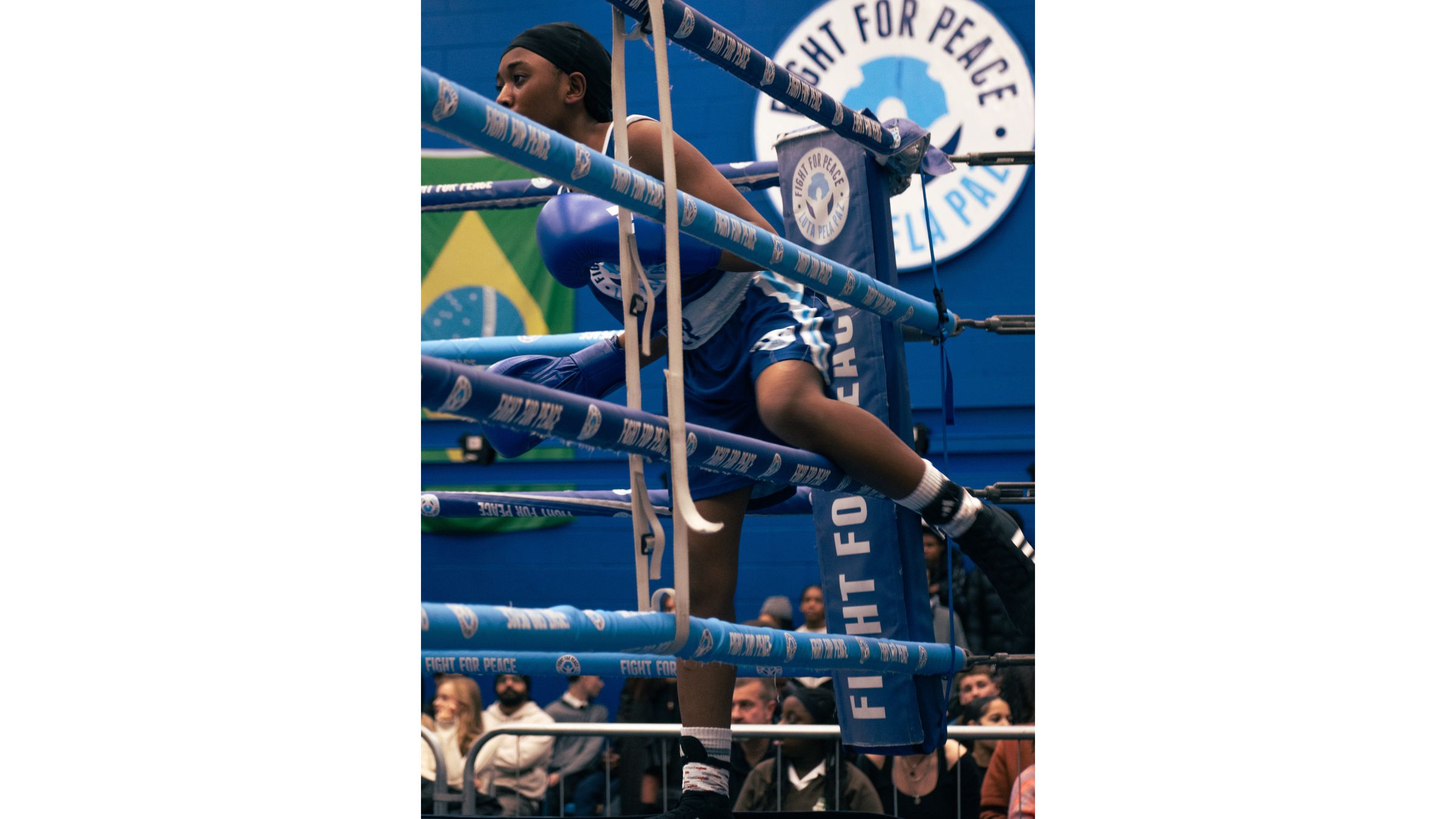
Photo: Fatimah Mujtaba
We are also continuing to strengthen inclusive access through our SEND sessions. Currently running weekly, this programme allows coaches to tailor training to young people whose needs aren’t always met in mainstream sessions. It’s one of the decisions we’re most proud of, and expanding this provision is a key priority moving forward.”
Looking ahead, our ambition continues to go beyond results alone – as we remain steadfast in creating sustainable pathways, developing future coaches and leaders, and helping young people access long-term opportunities in sport. By combining high-performance pathways with inclusive access and strong role models, we are building an environment that doesn’t just create champions in the ring, but champions in life.
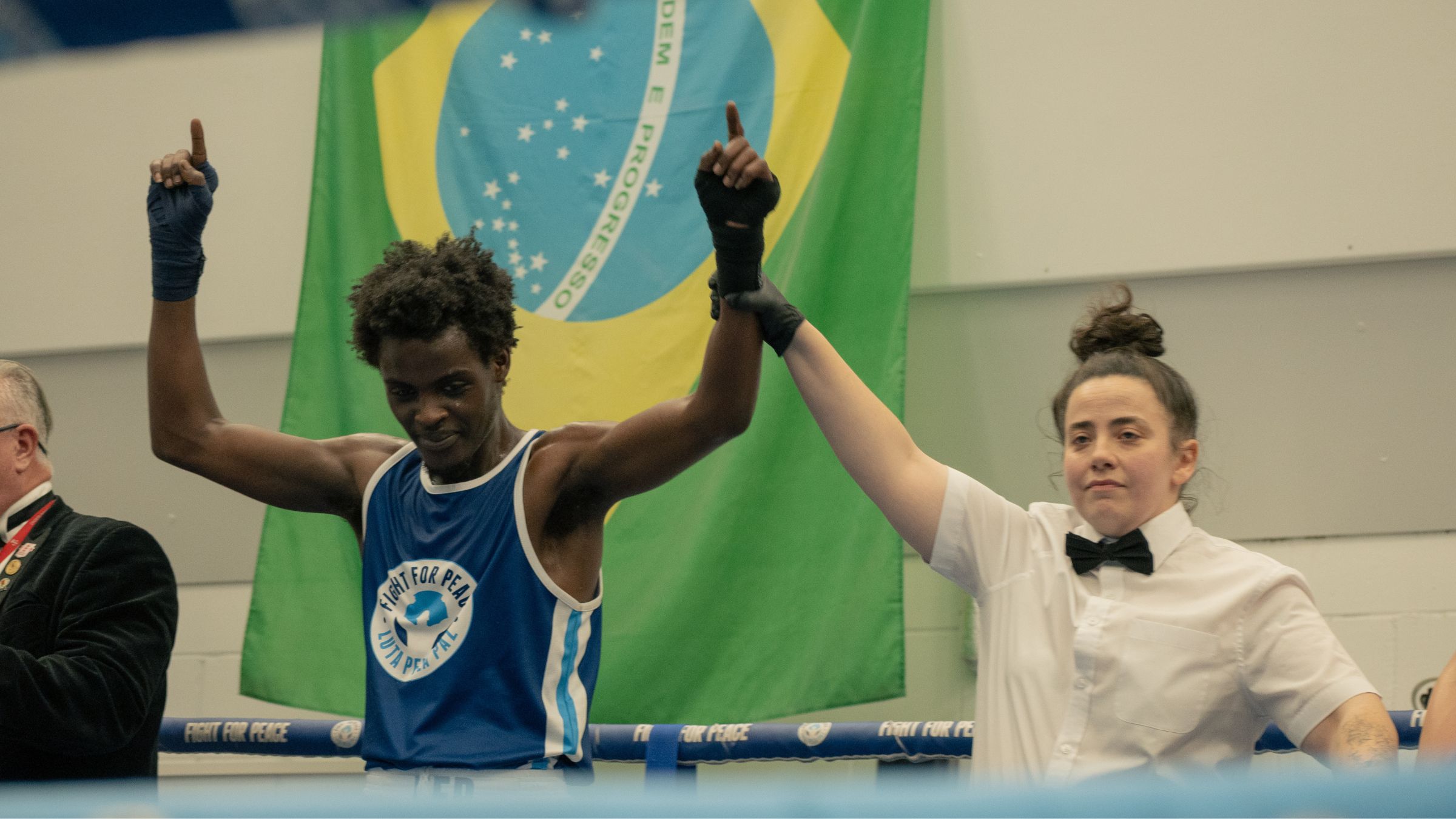
Photo: Fatimah Mujtaba